Skip to content
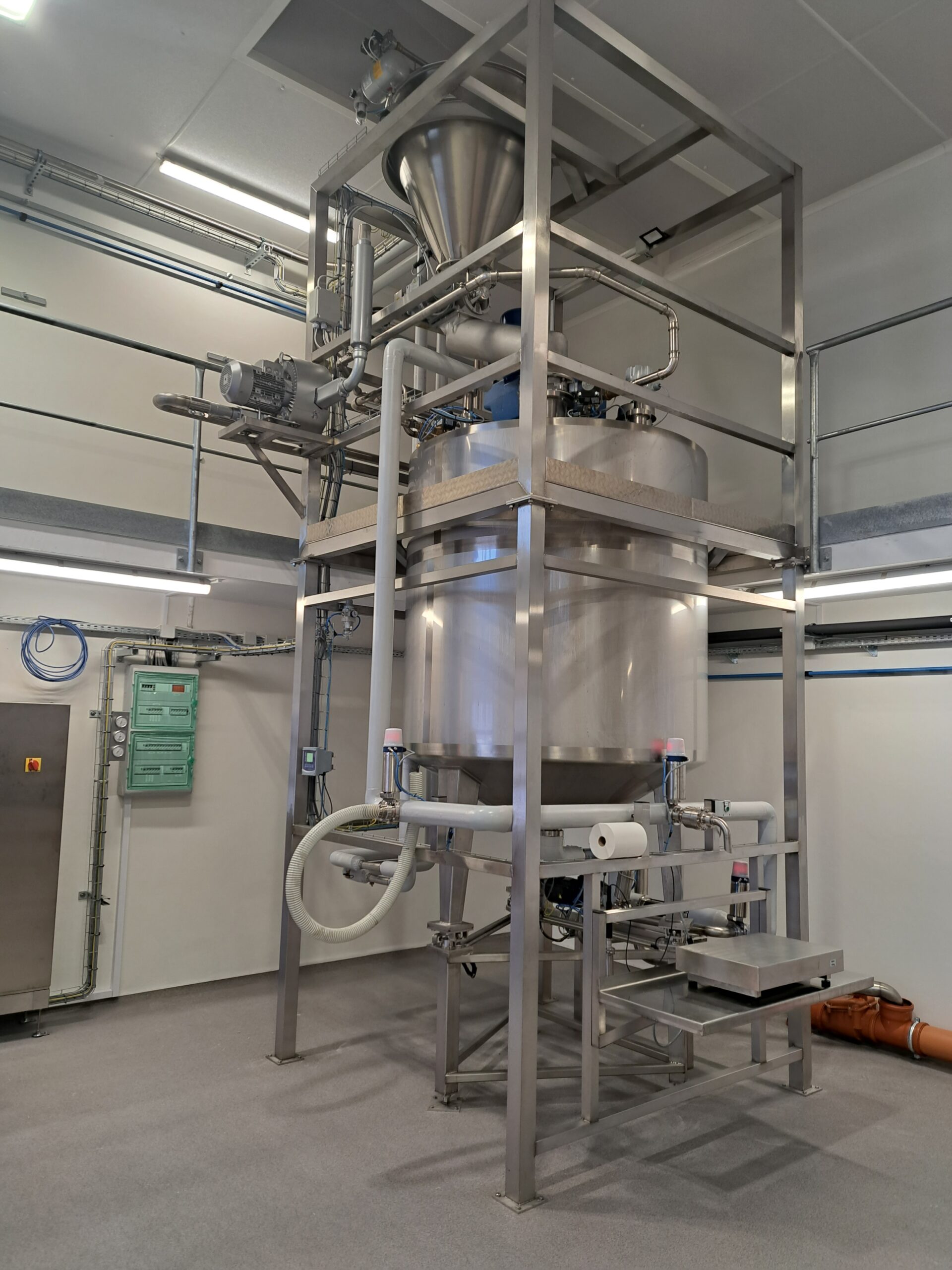
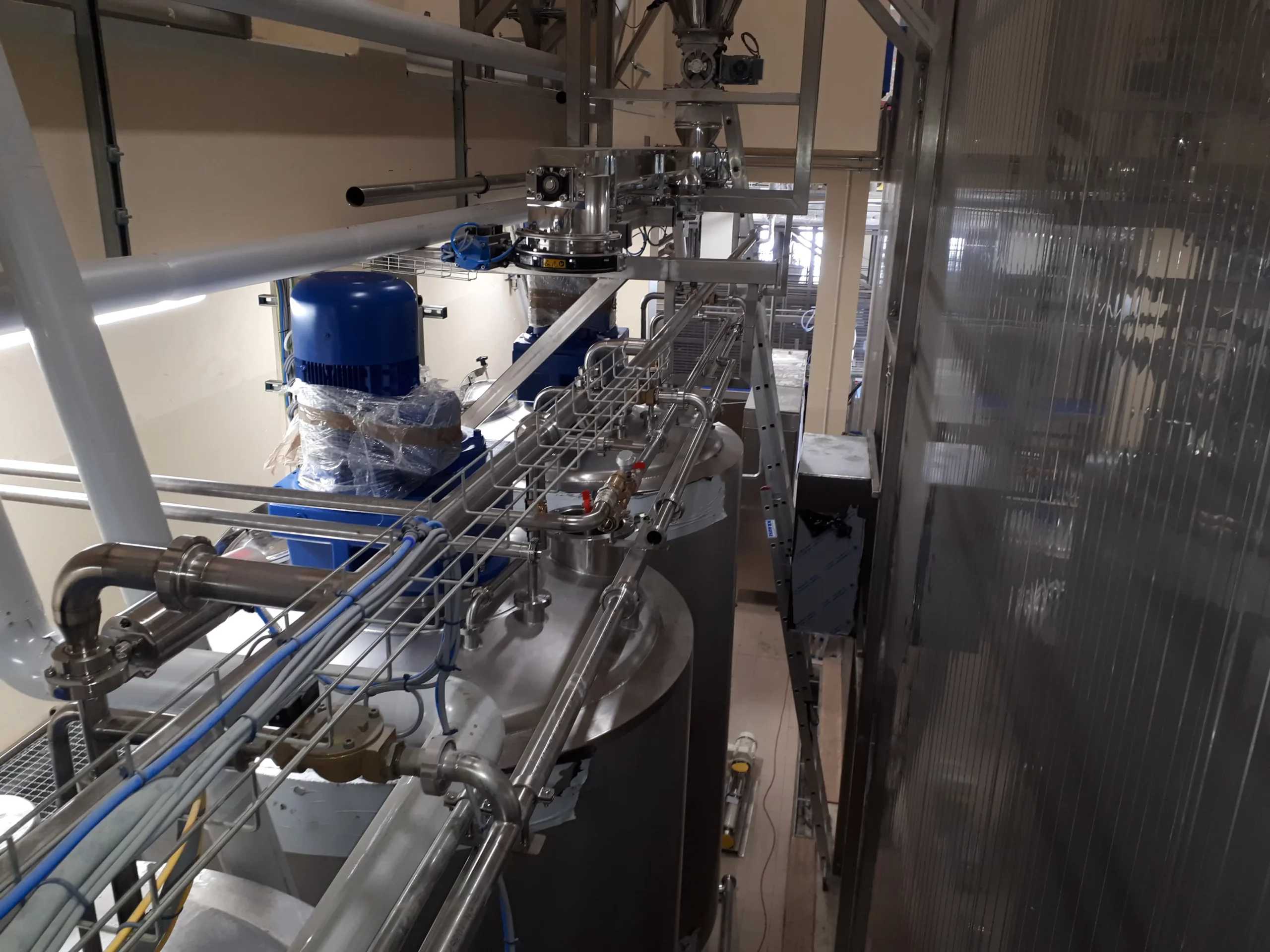
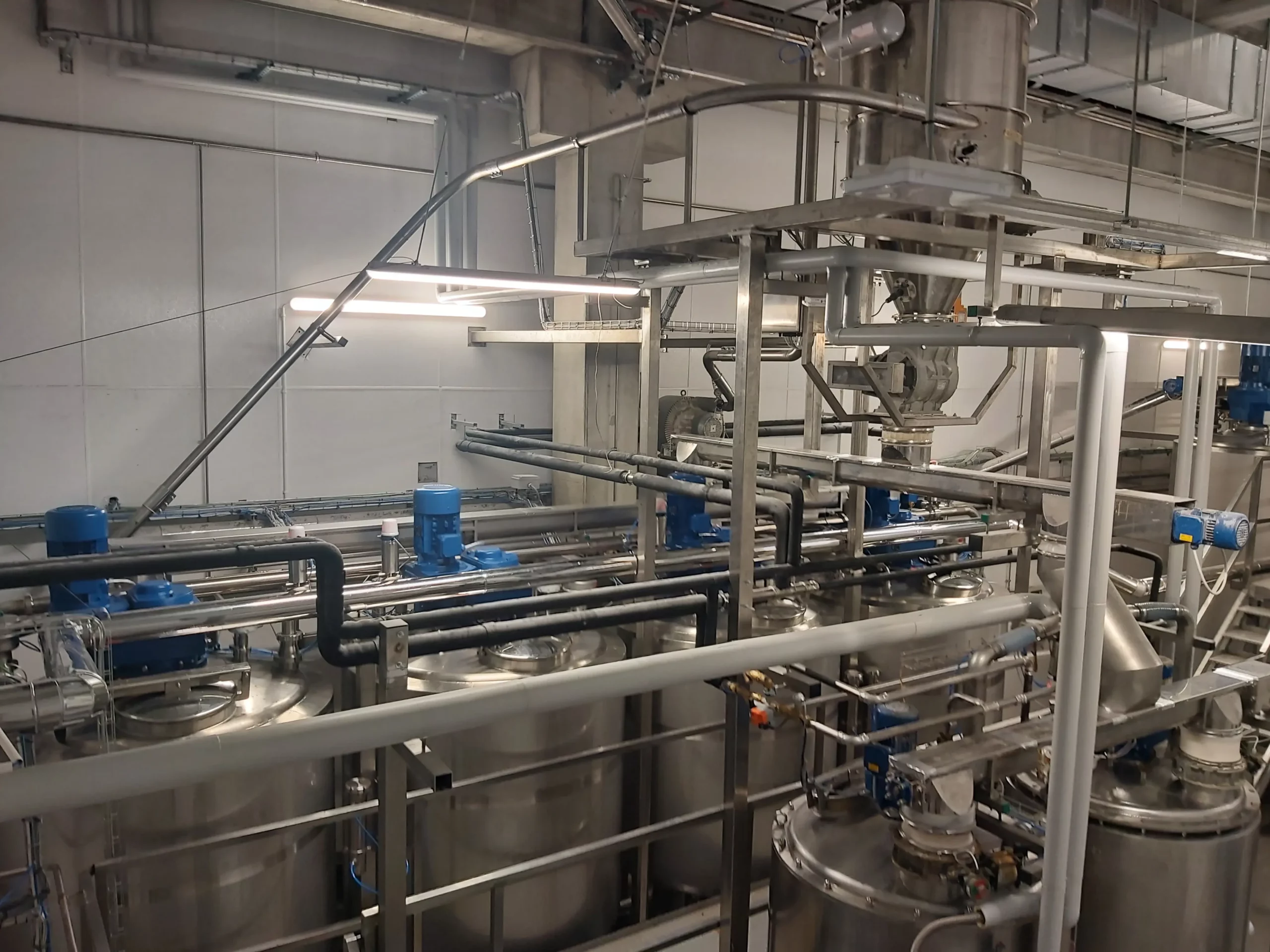
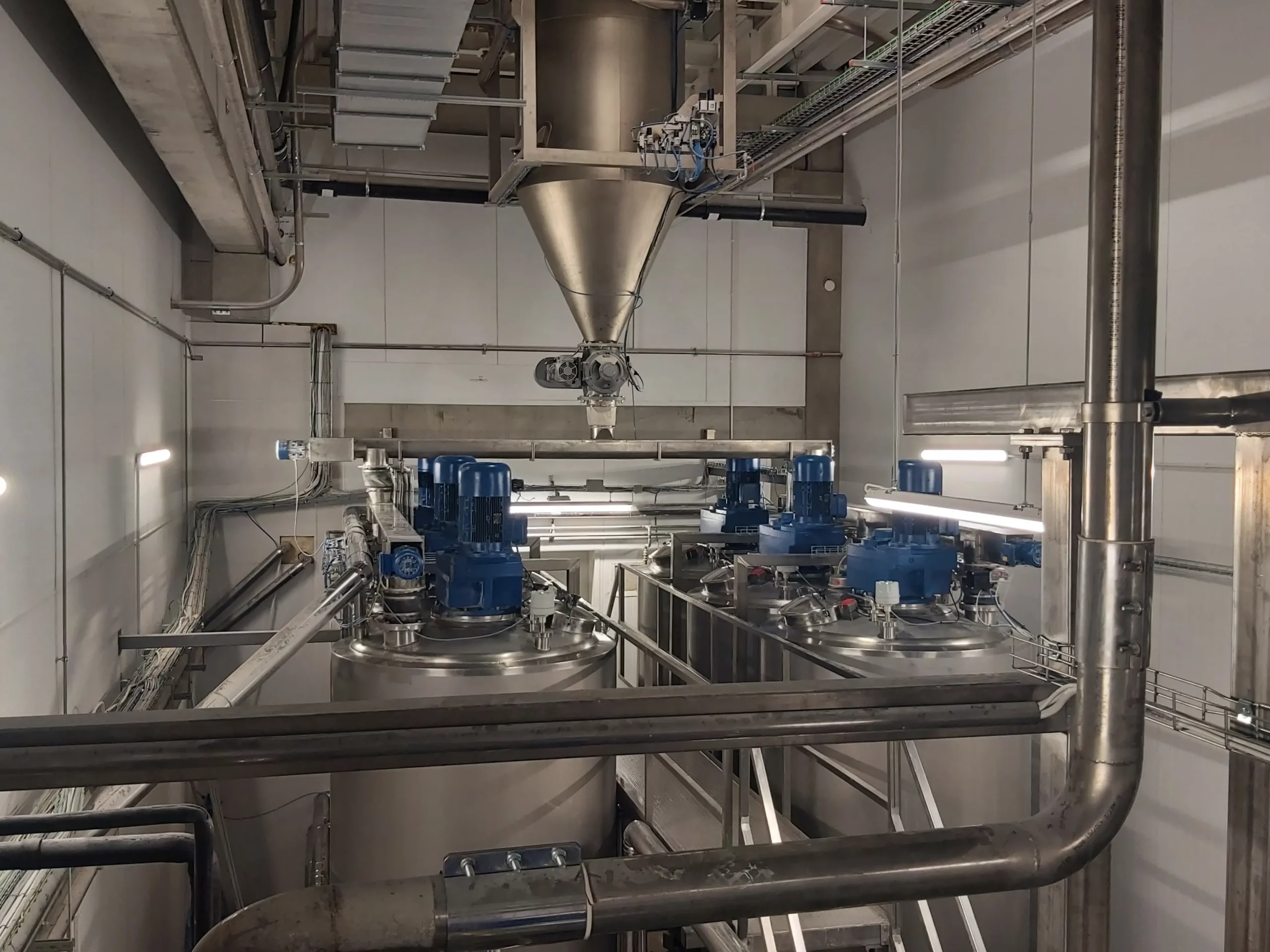
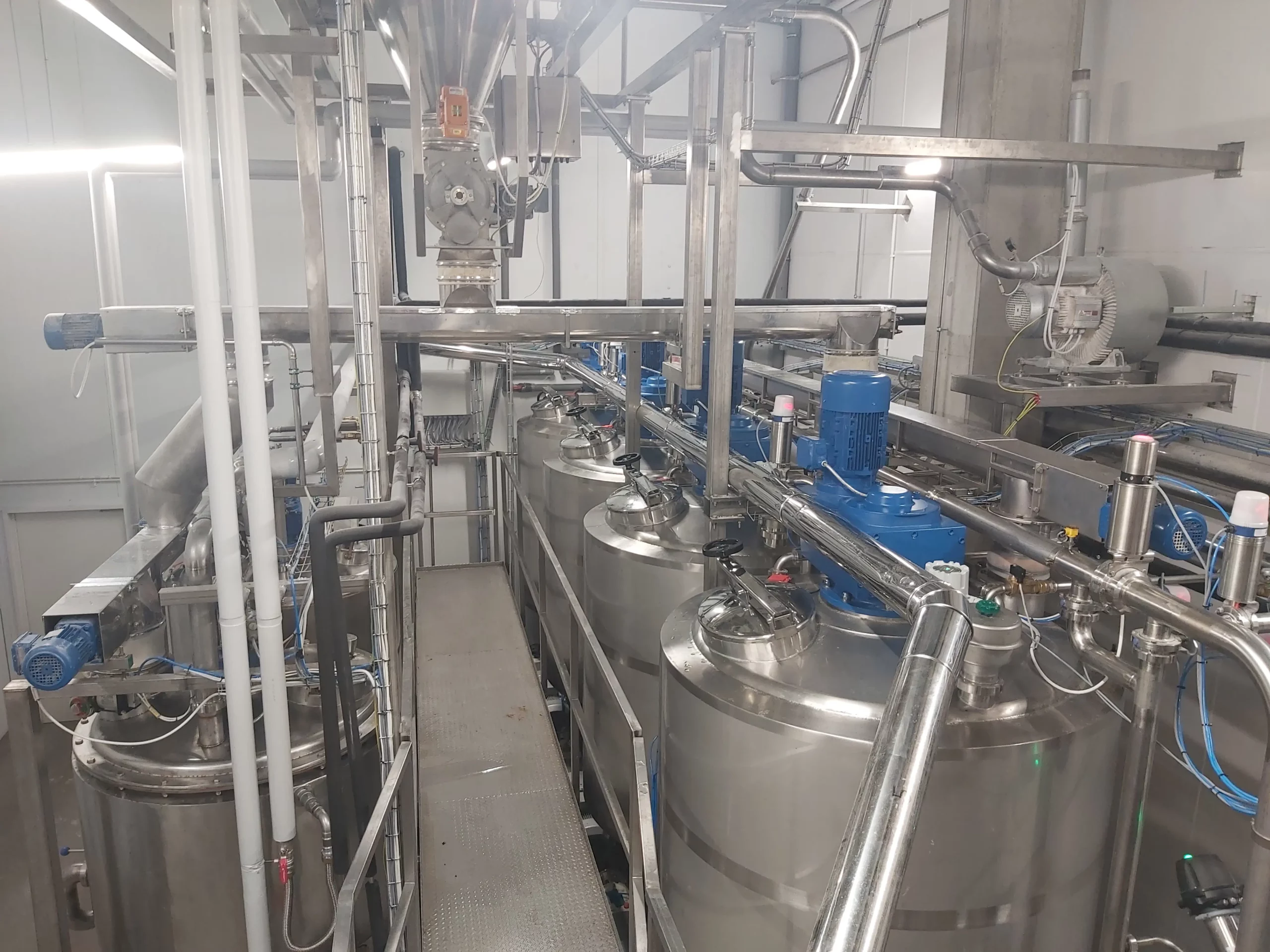
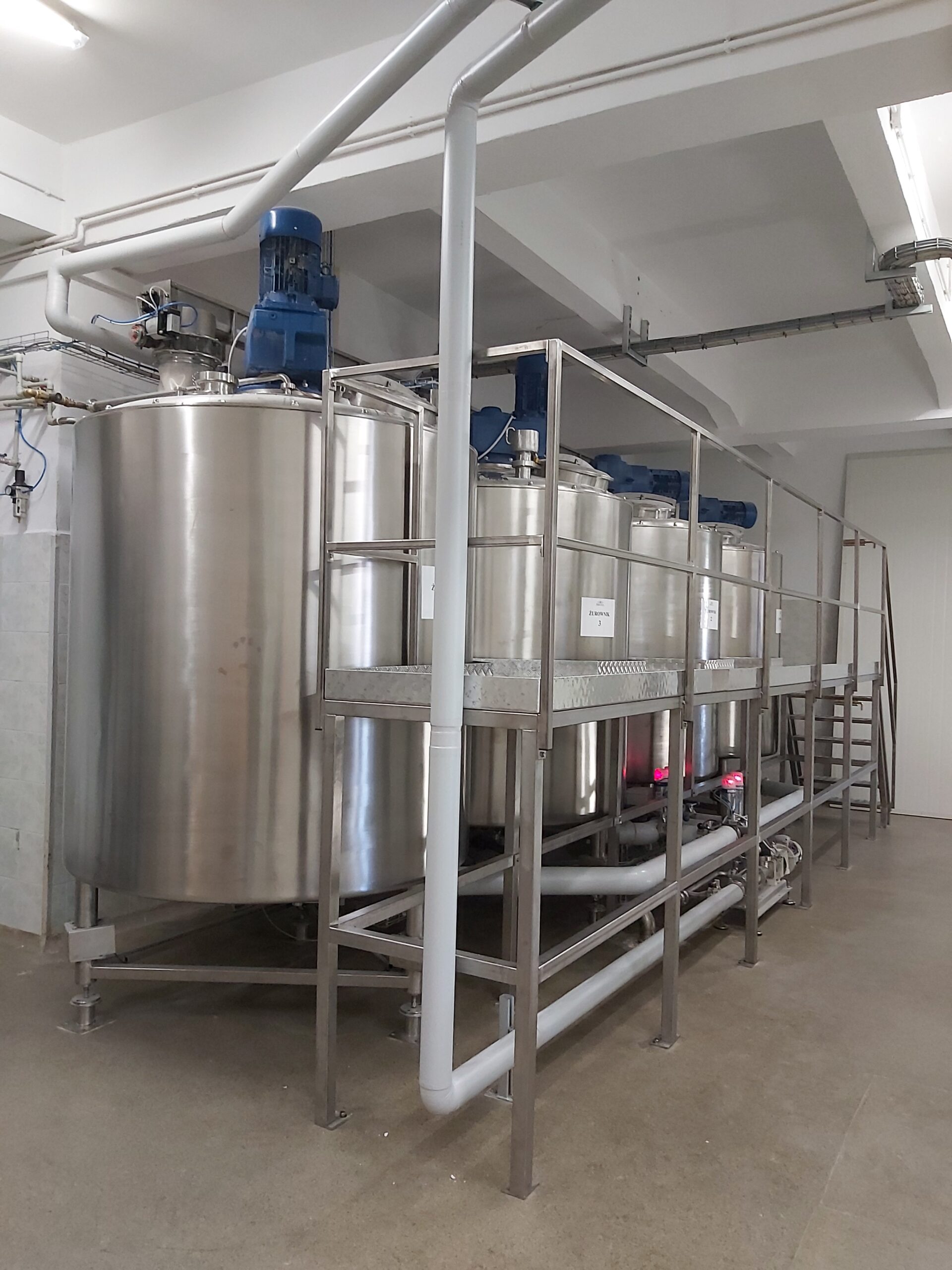
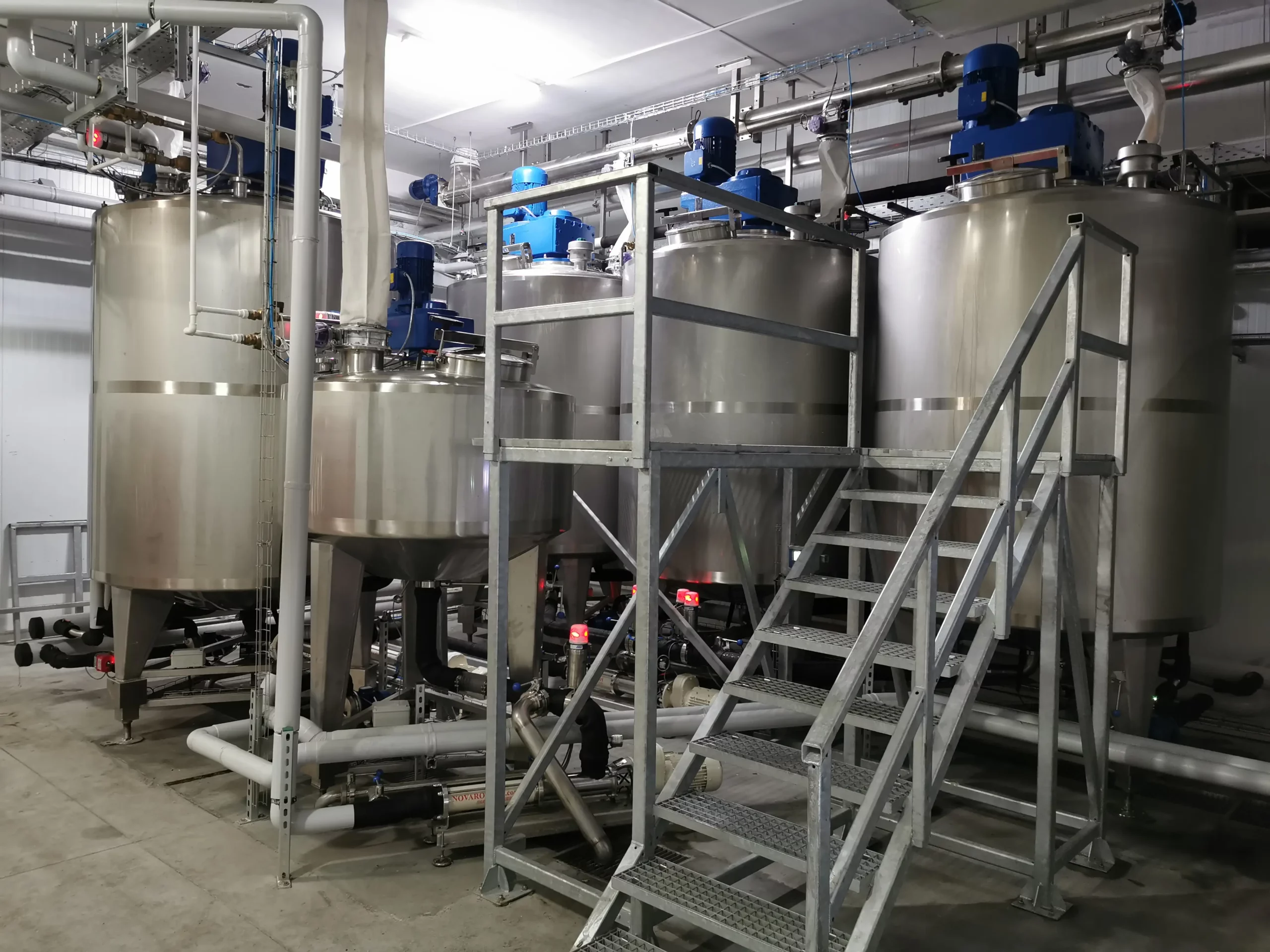
 Many years ago, when we first started to take an interest in the field of automatic production of sourdough, the main expectation of our customers was to replace the unpredictable human work with automation. Back then, we believed that the fermenters were a set of tanks where the maturing of a mixture of flour and water was ensured.
Nowadays, we know that the tanks are only an element of a proper fermentation, and for its control, management and customisation, we need:
We work with experienced technologists from Poland, Italy and Germany. This approach enabled us to present our fermenter installations in several countries in Europe and around the world. All of them work well and provide both qualitative and financial benefits to our clients.
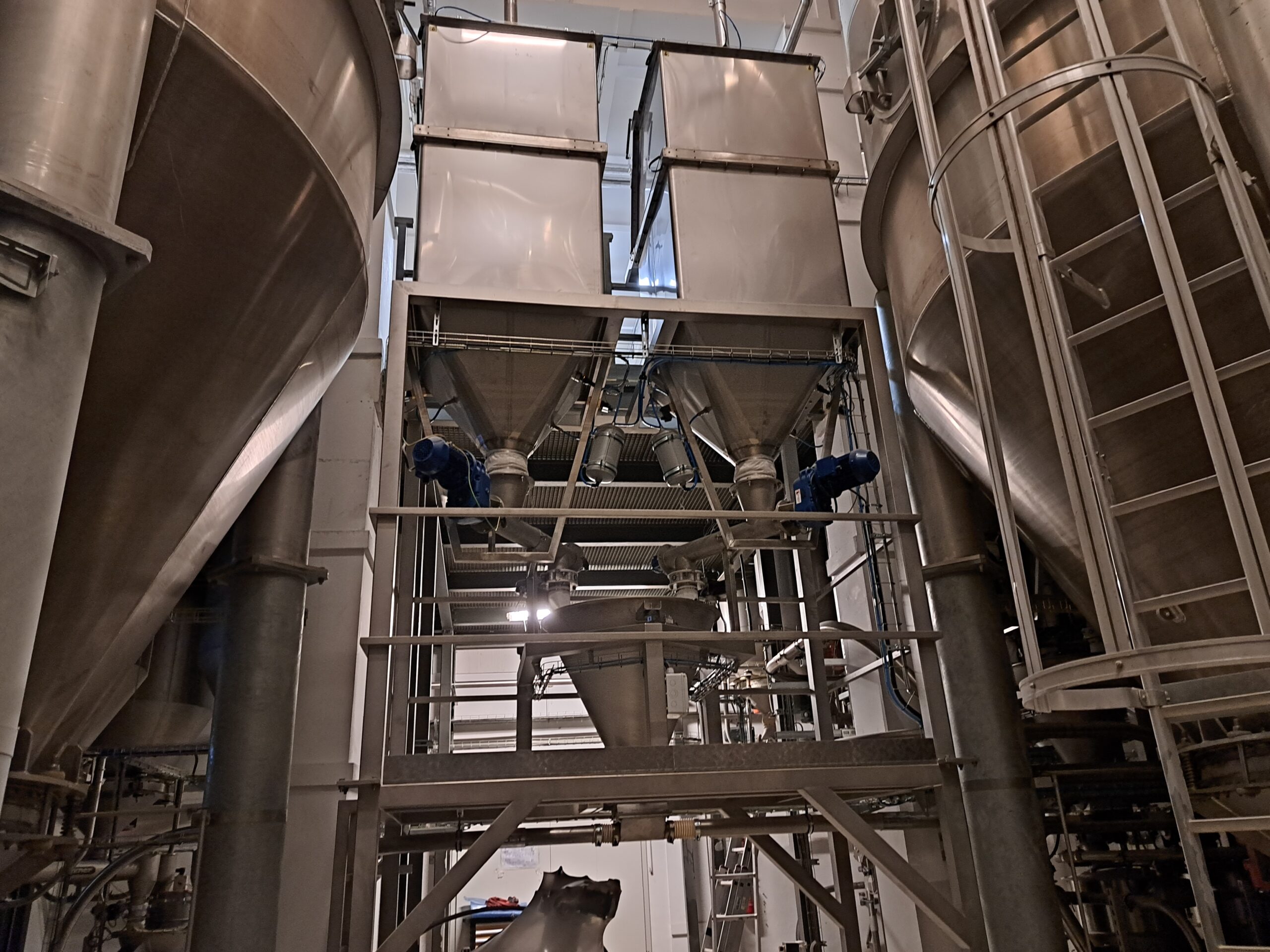
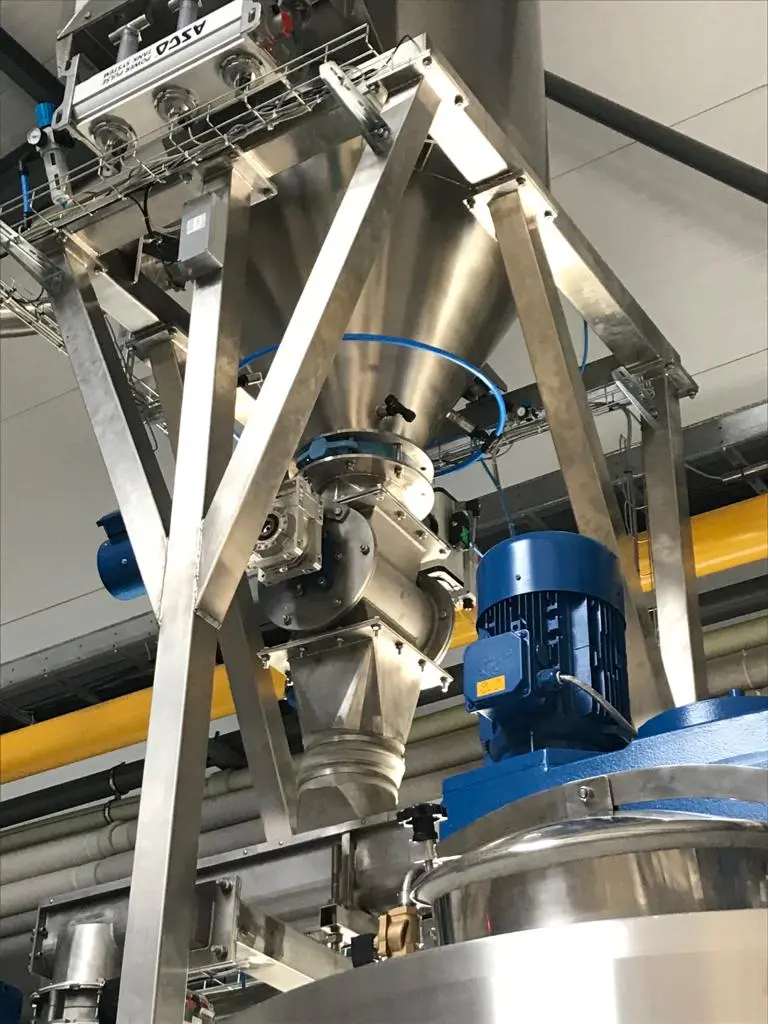
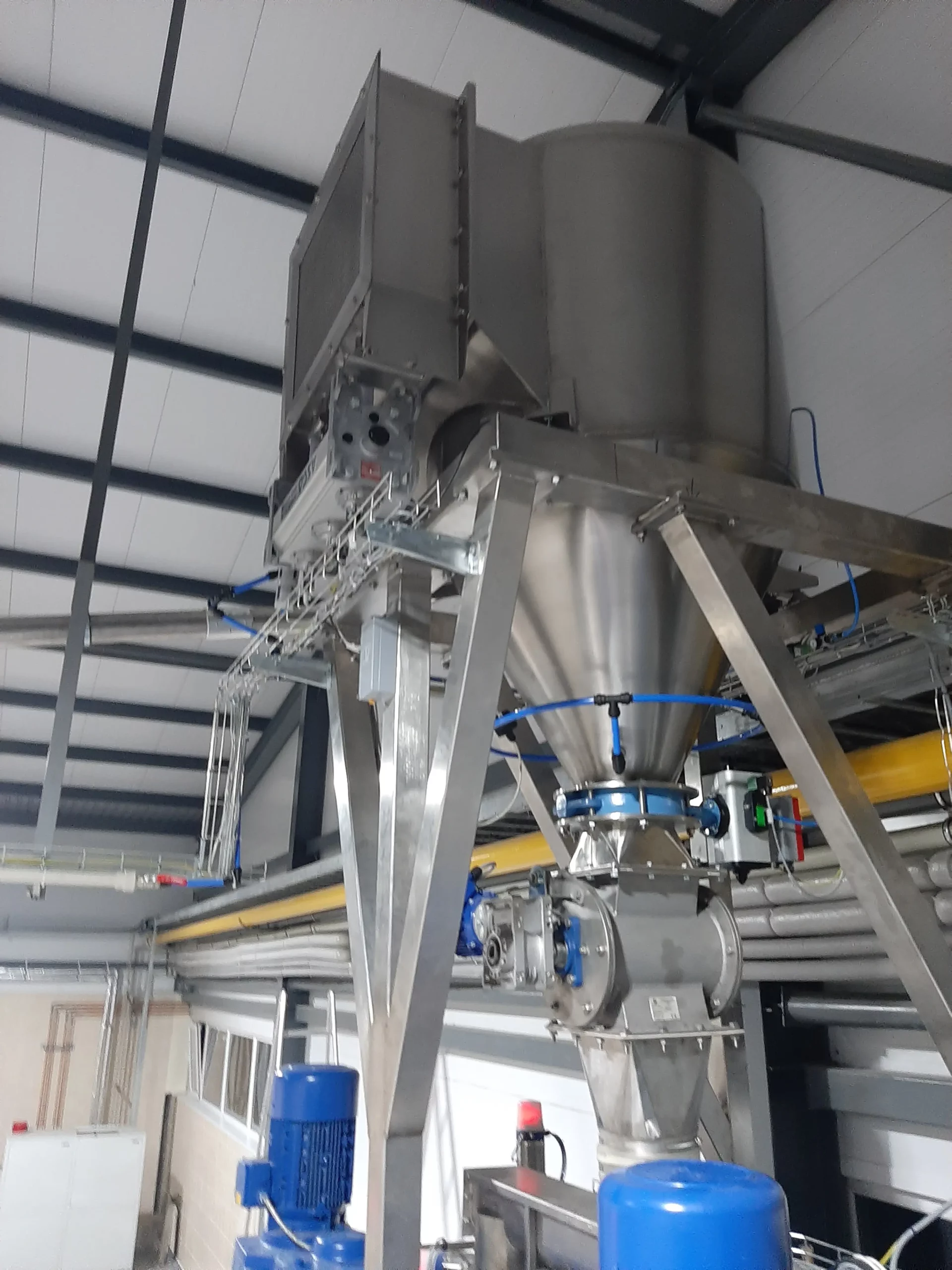
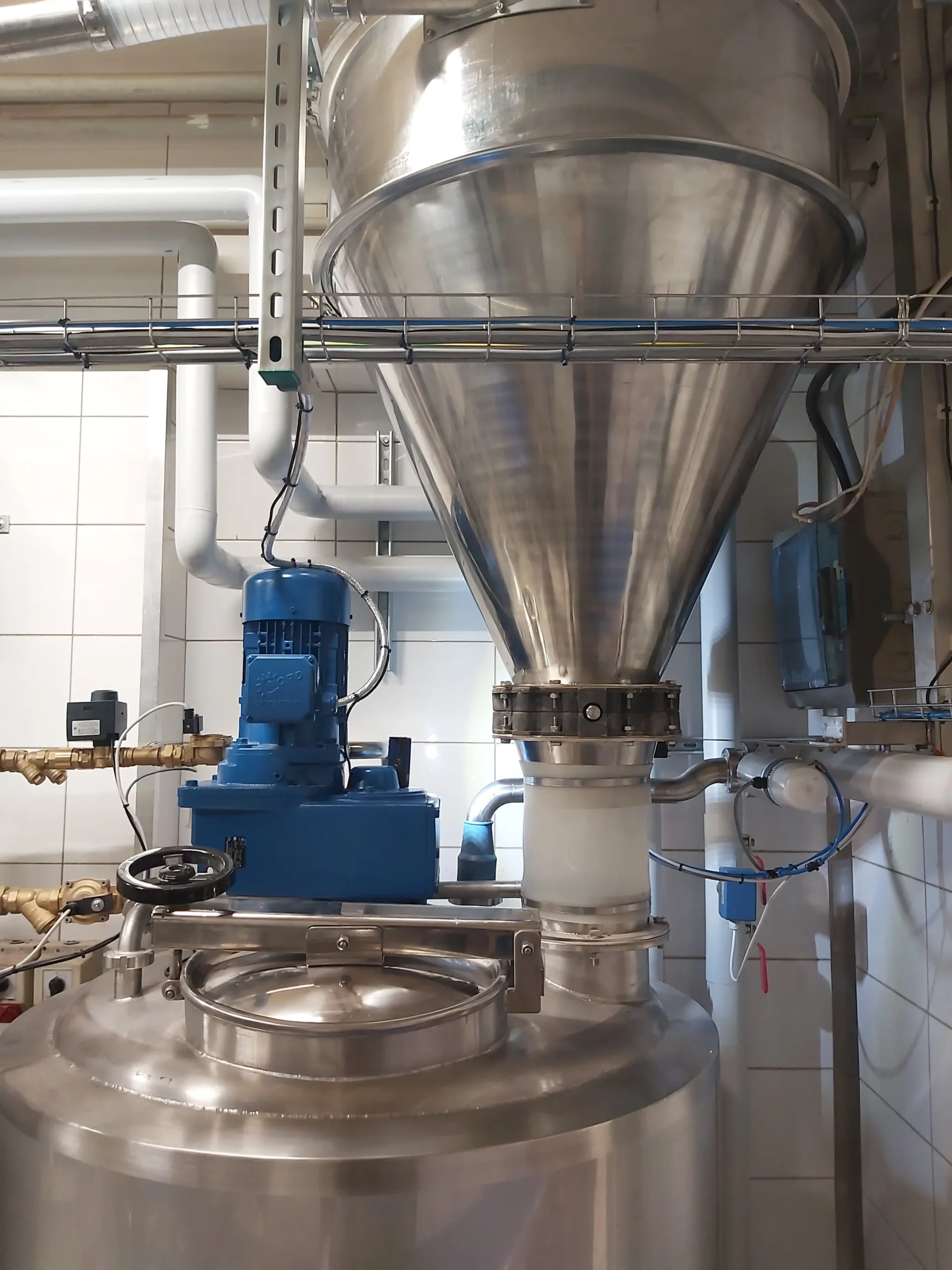
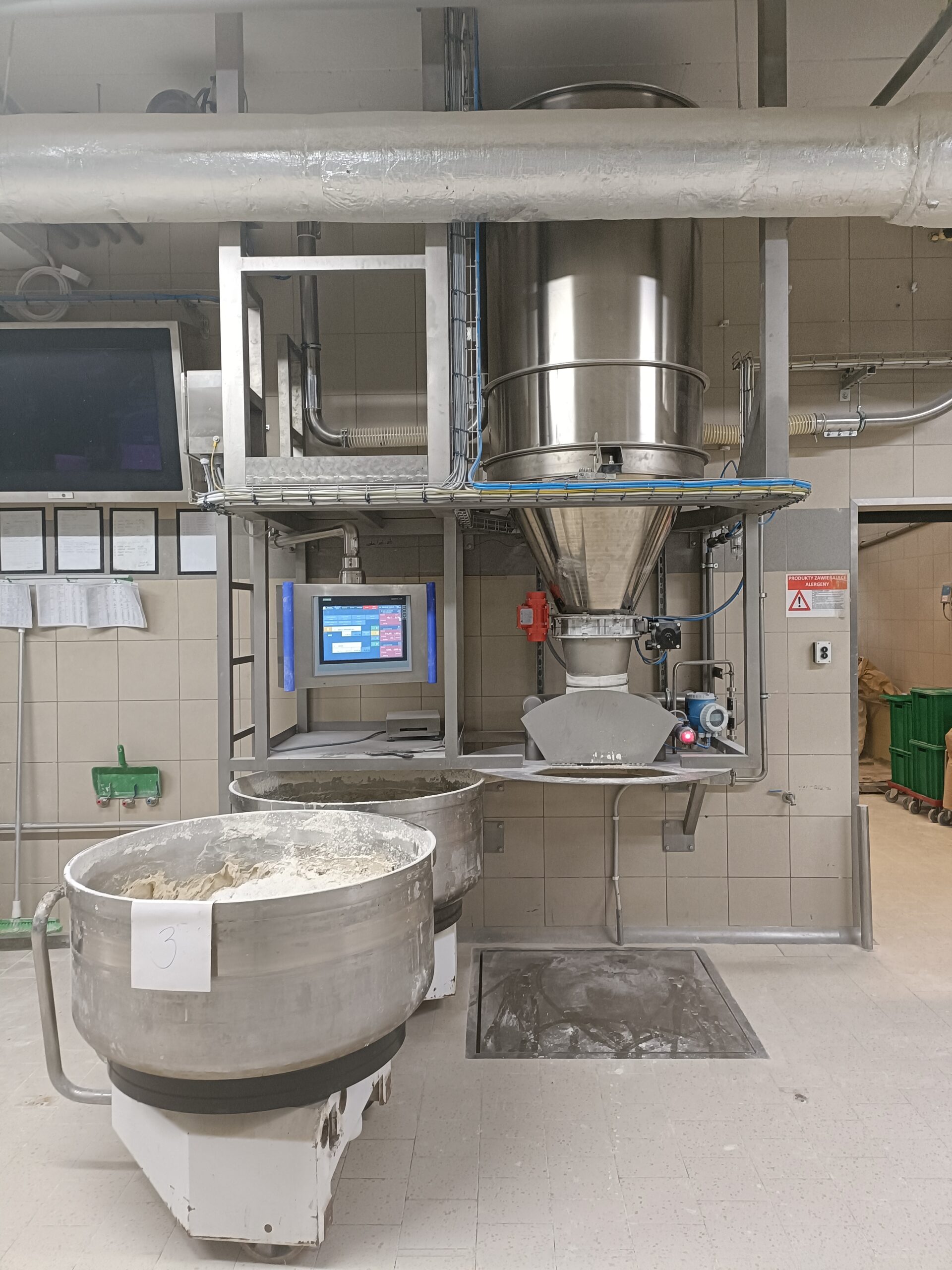
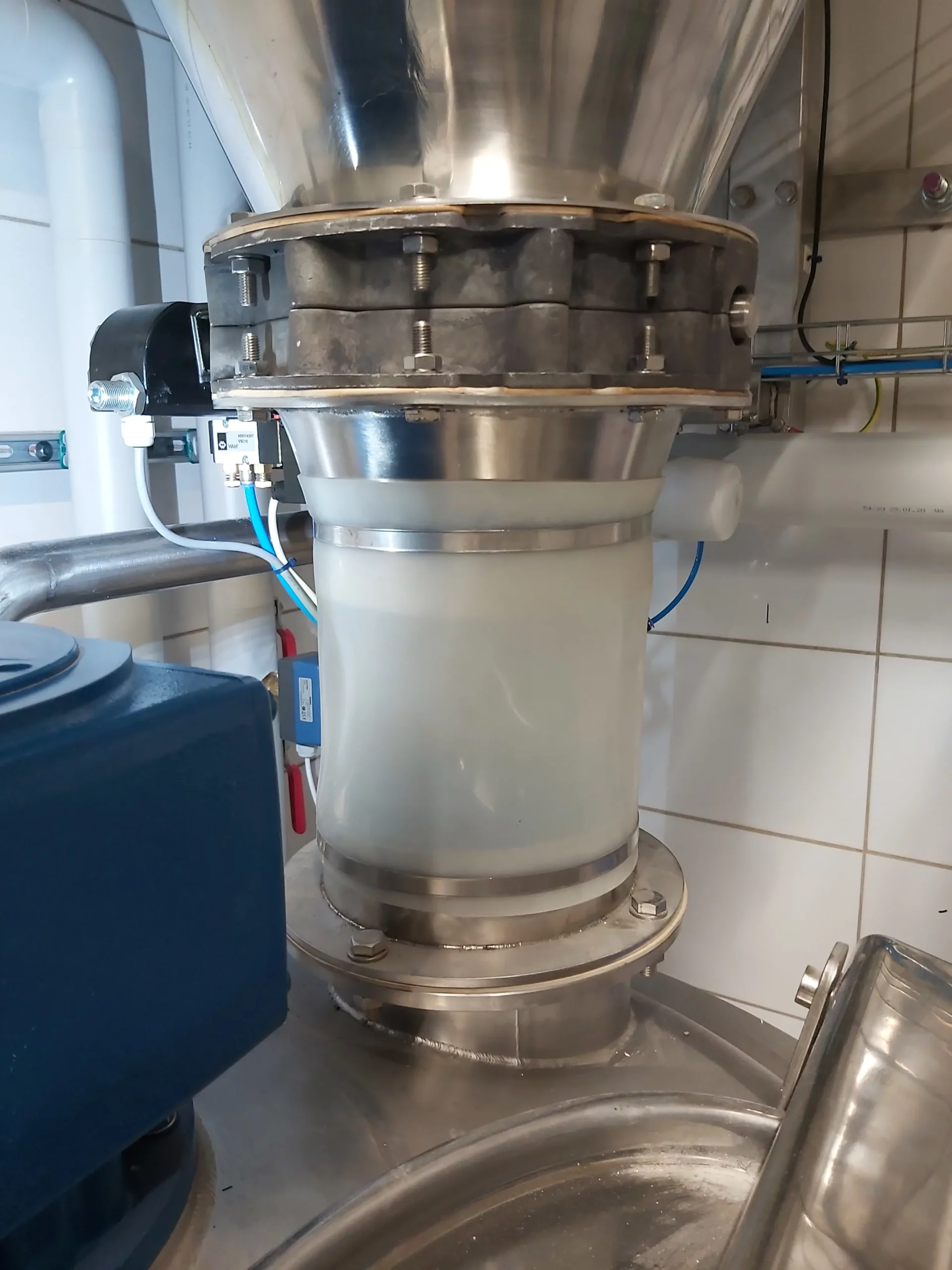
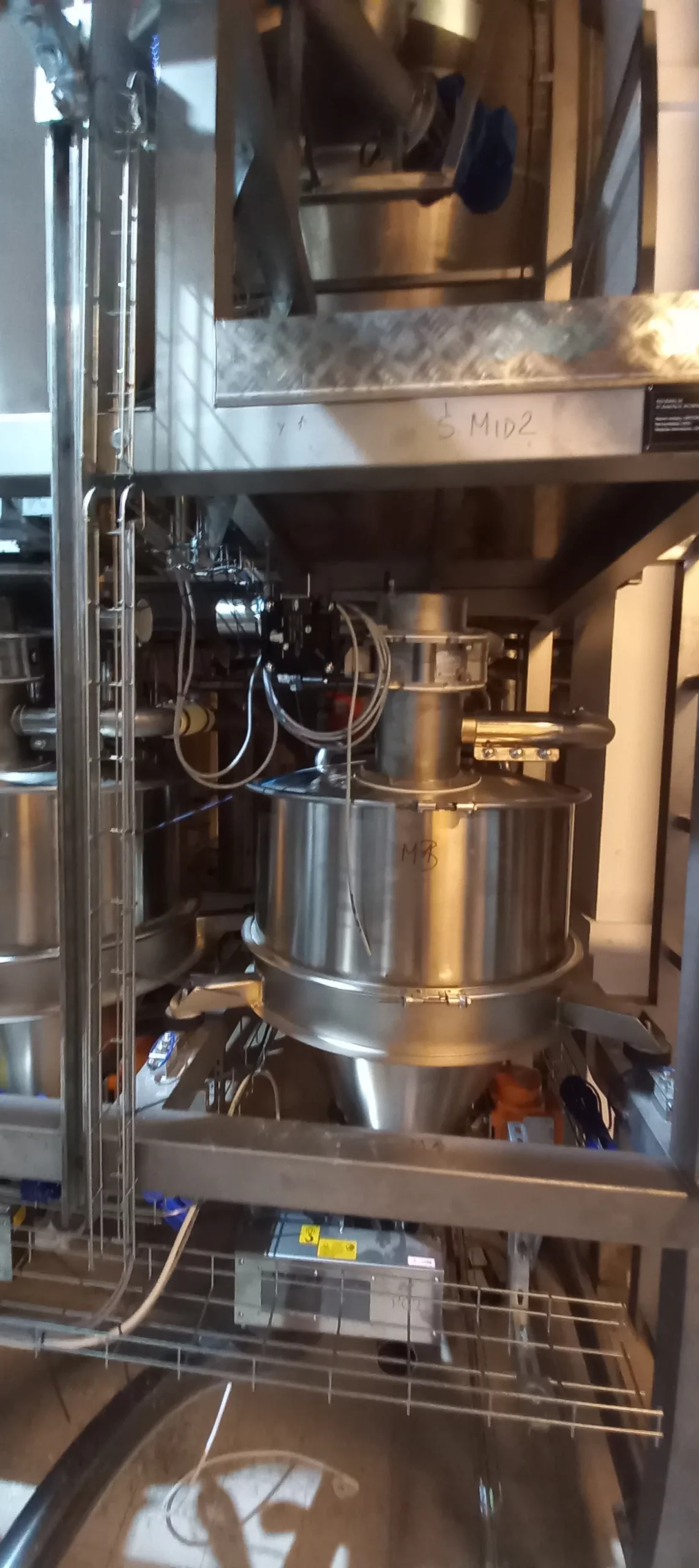
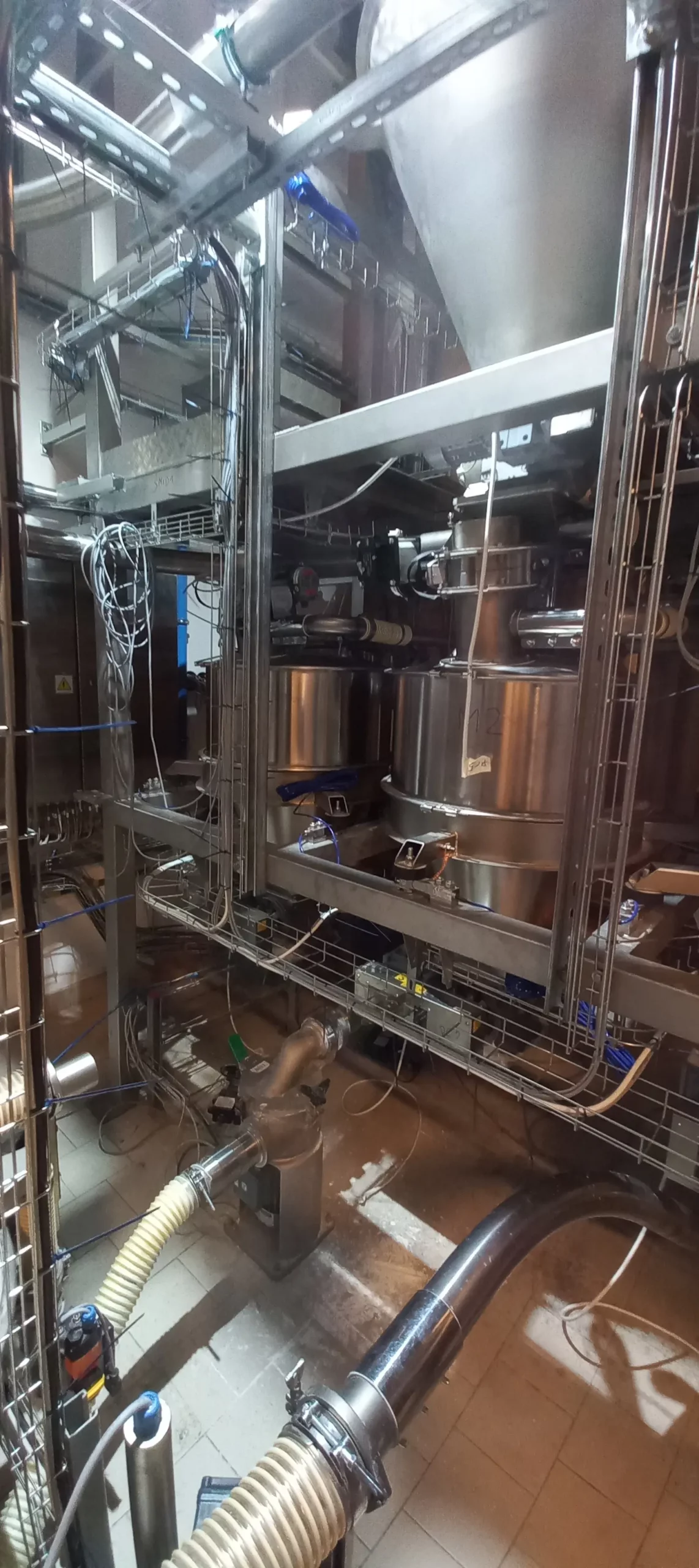
In the field of dry and liquid raw material dosage in the bakery industry, we have experience dating back to the late 1990s. While we were working on the designing and installing several hundred so-called silo installations, we realised that this type of installation also requires an individual approach to the needs of a particular production facility. There are no one-size-fits-all solutions. The same elements cannot be used in every project. Clients’ needs and possibilities require an individual approach to the designing of the raw material dosage.
By producing fermenters and automating bakery facilities, we understood that we had to stop offering the same solutions to everyone. Obviously, we select components of an installation, such as the flour tanks, based on the capacity of the facilities, but the key to a well-configured installation is an analysis of the client’s working practices, and primarily the calculation method of raw materials and employees, production intervals and the schedule of product distribution.
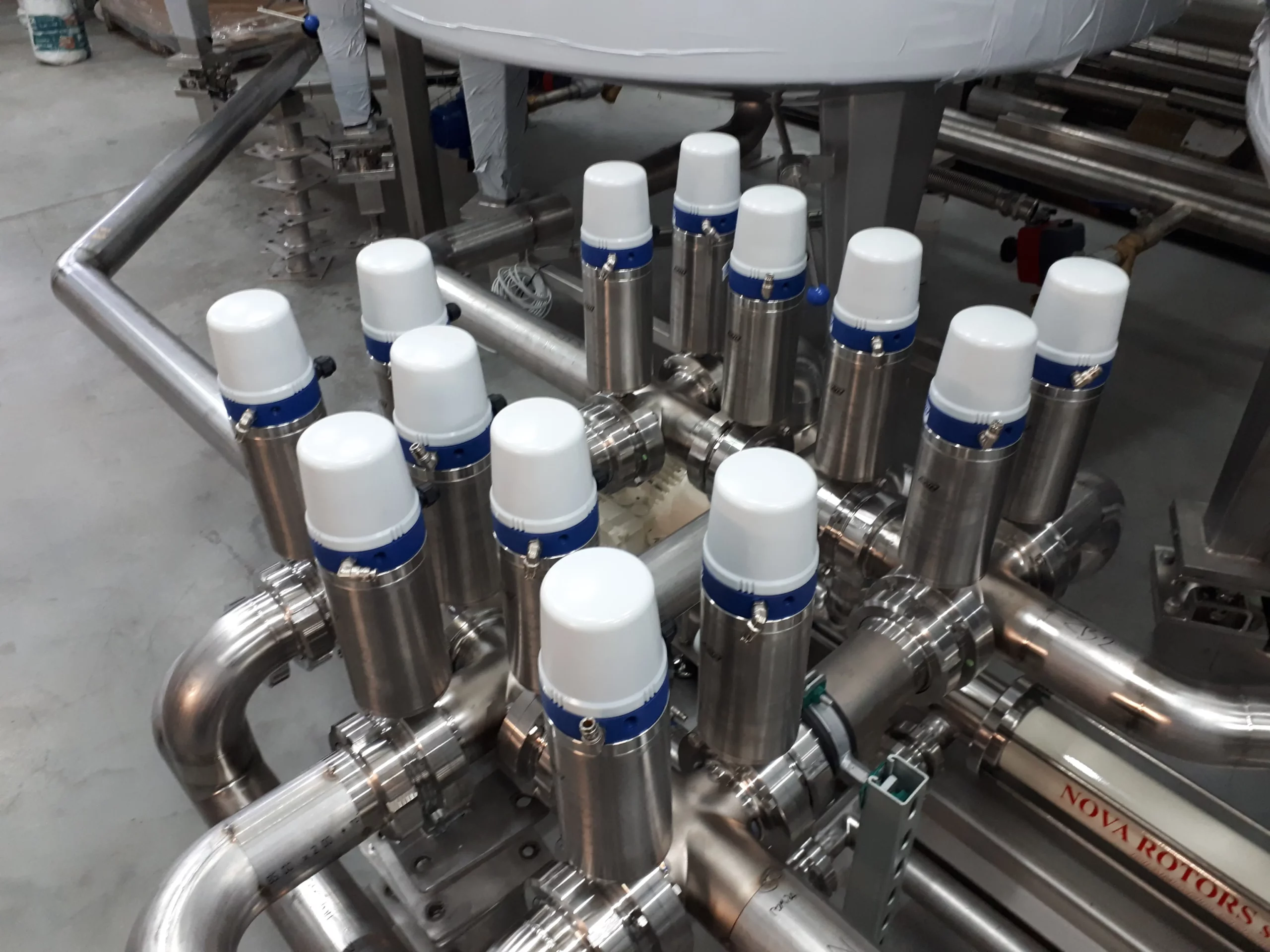
At present we mainly provide our clients with the extension and modifications of the raw material dosing installations (flour silos, midi and micro dry ingredients, fats, yeast, water) in terms of the dosage for fermenters and dough production. We offer our own control automation, which, on the one hand, customises raw material management in the facility and, on the other hand, does not limit the possibility of an expansion, modification or replacement to a single supplier with regard to the equipment. We use panels with user-friendly graphics and intuitive navigation programmed according to the so-called UX system “User Experience Panel” based on the user experience. We are well prepared to cooperate and communicate with existing inventory and accounting programmes on the market.
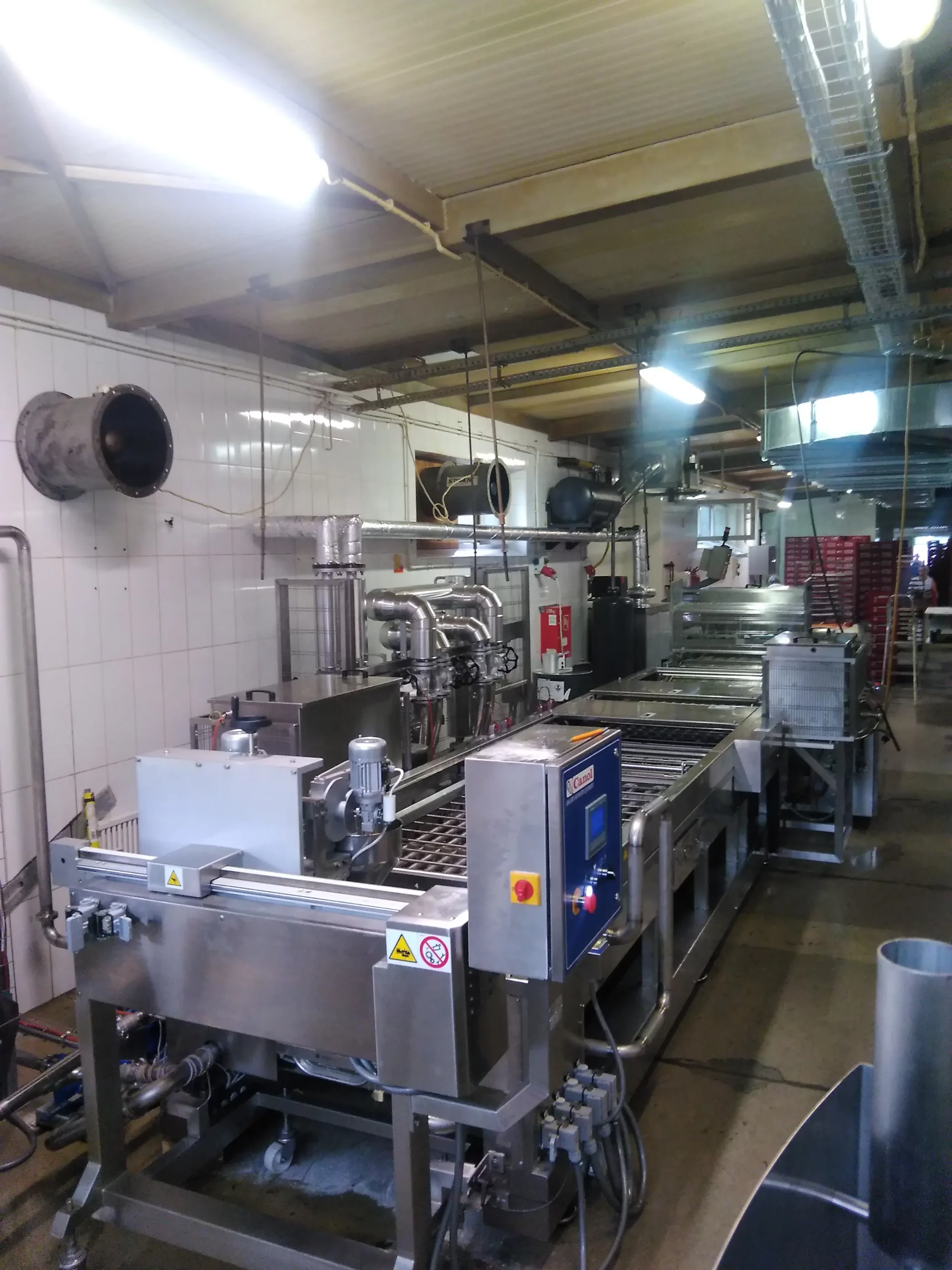
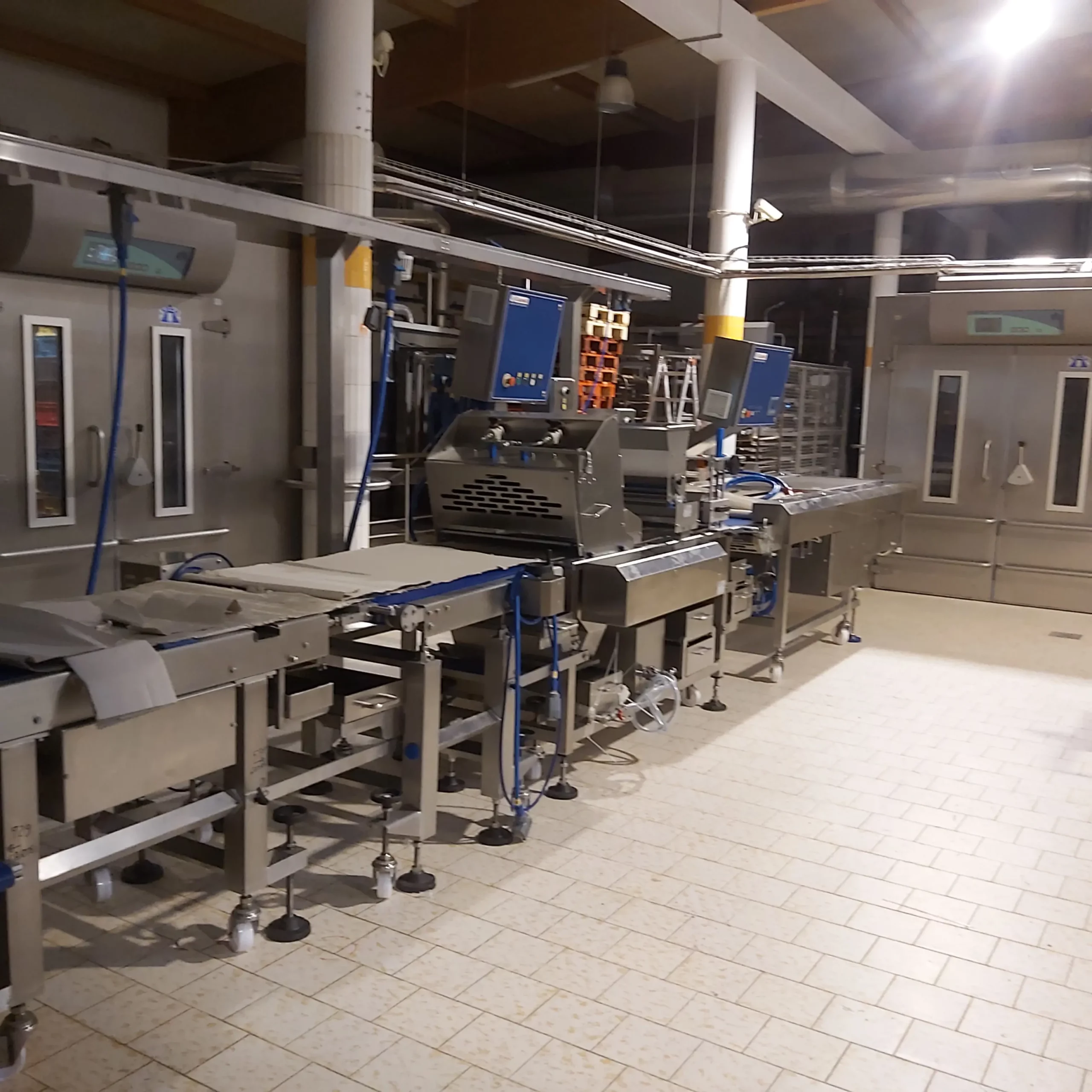
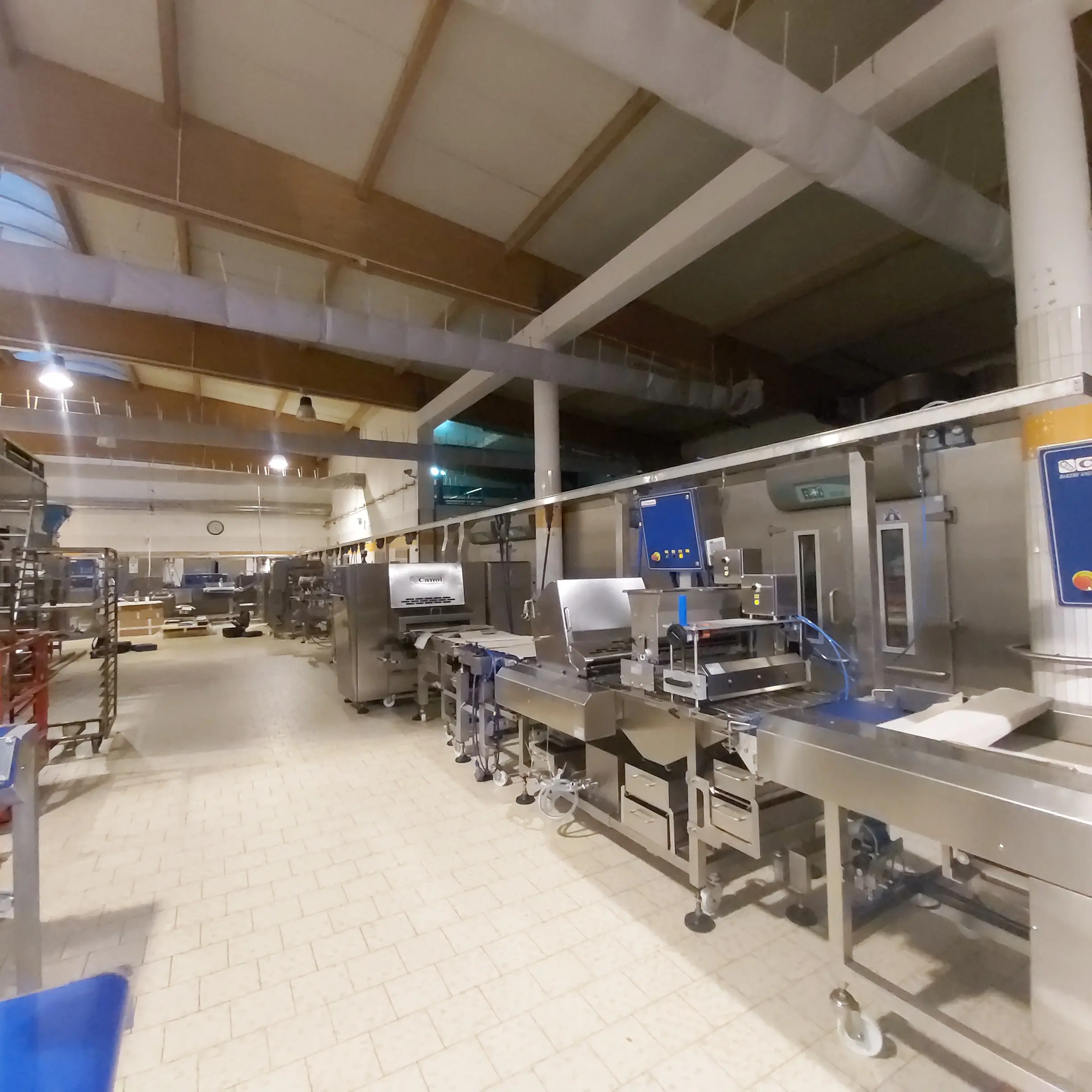
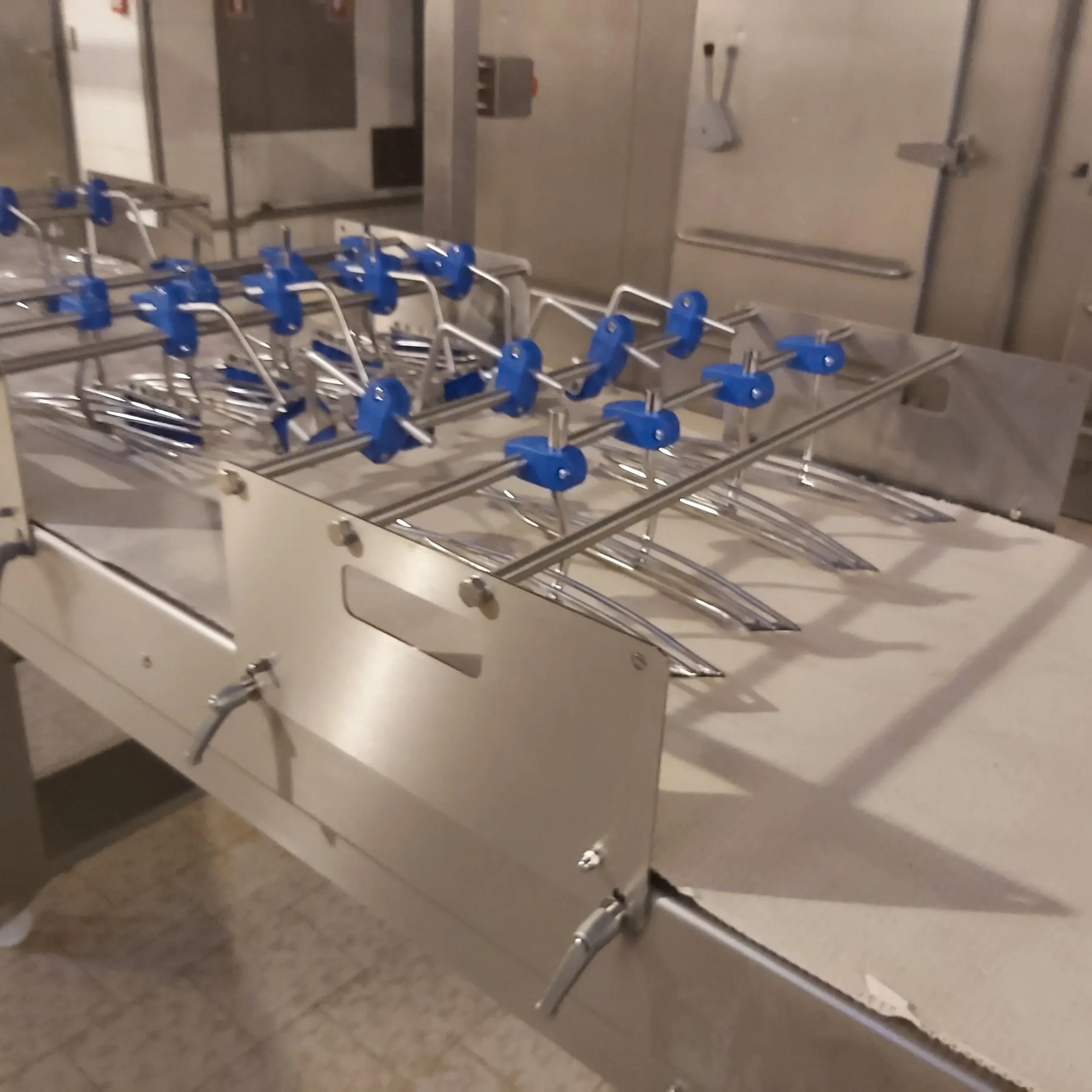
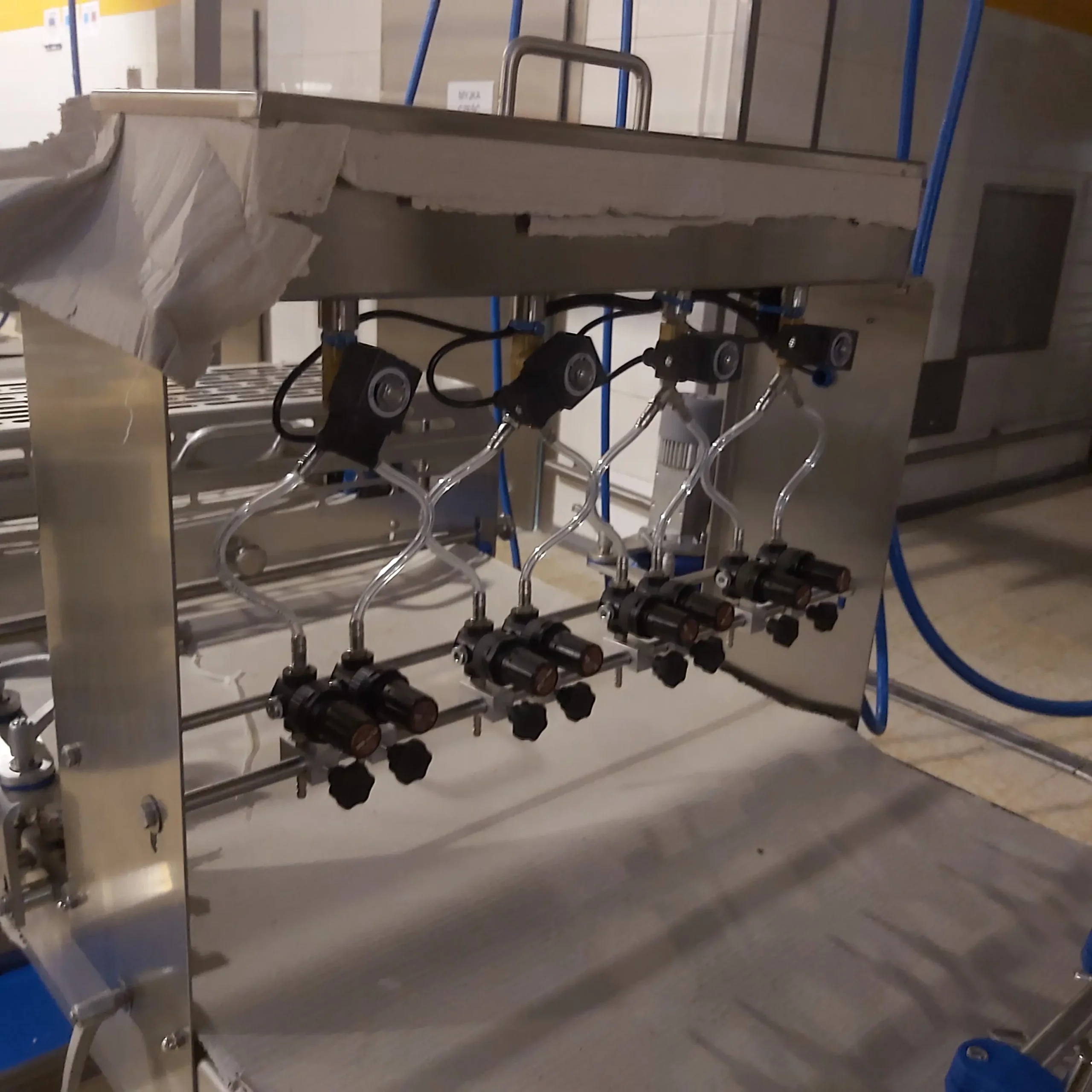
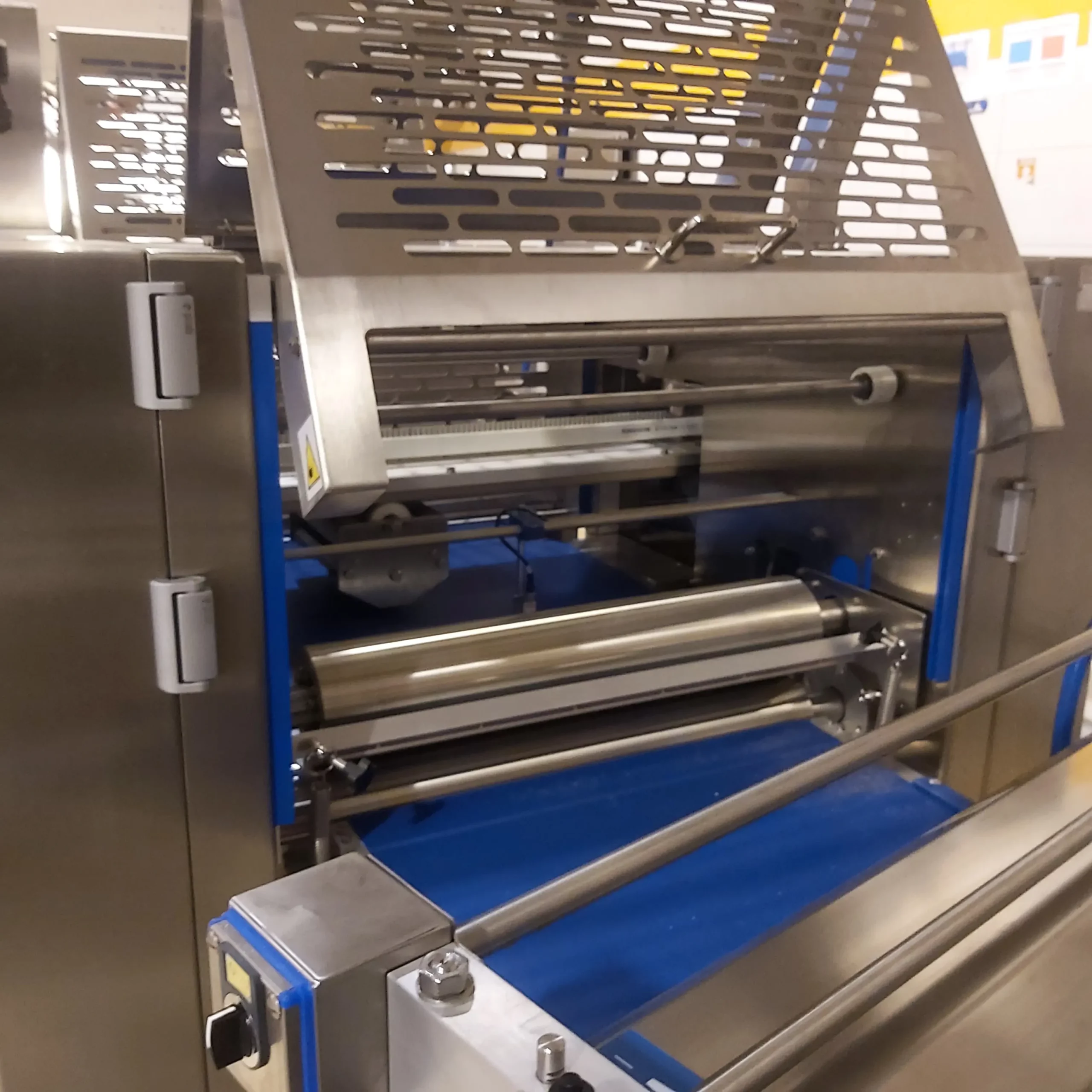
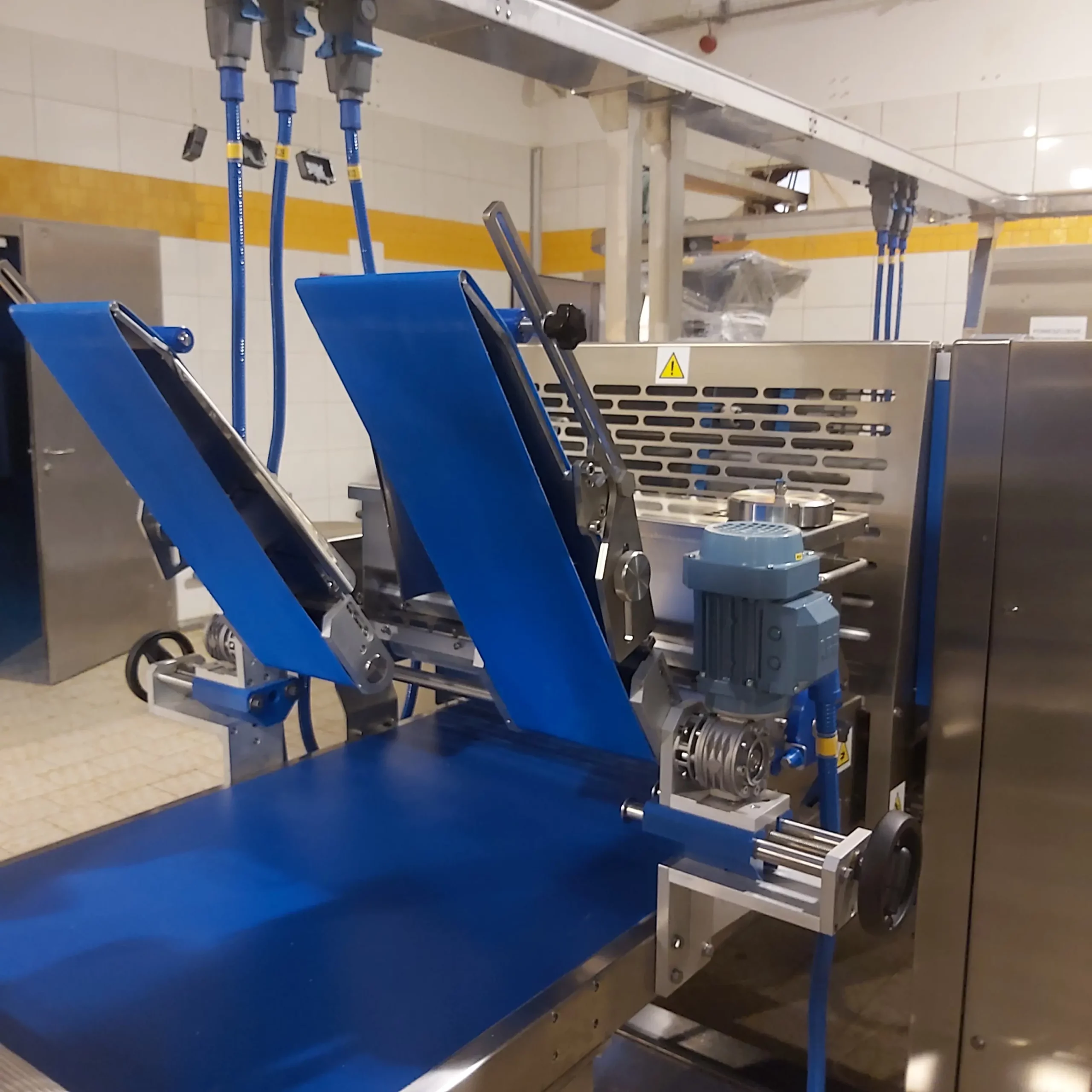
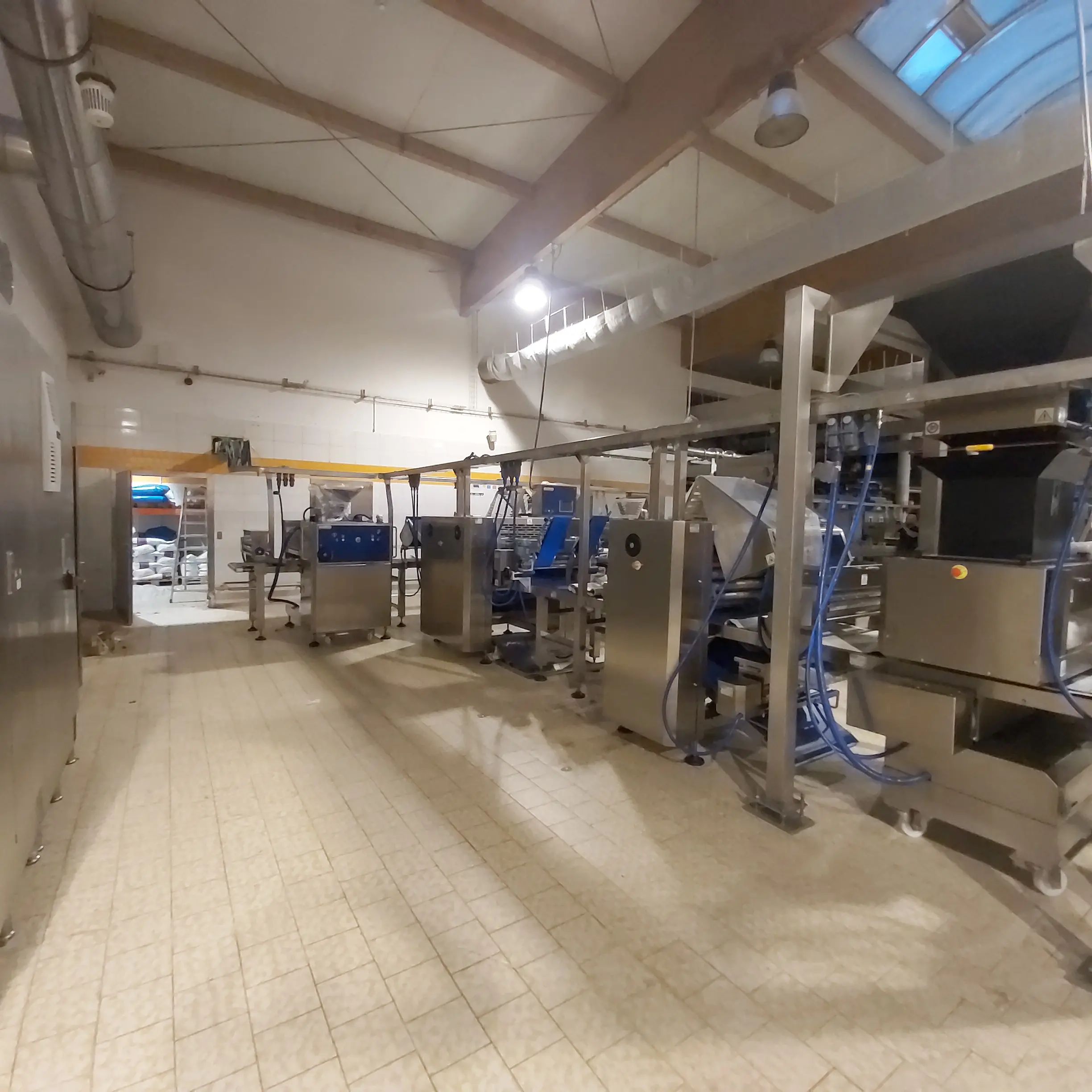
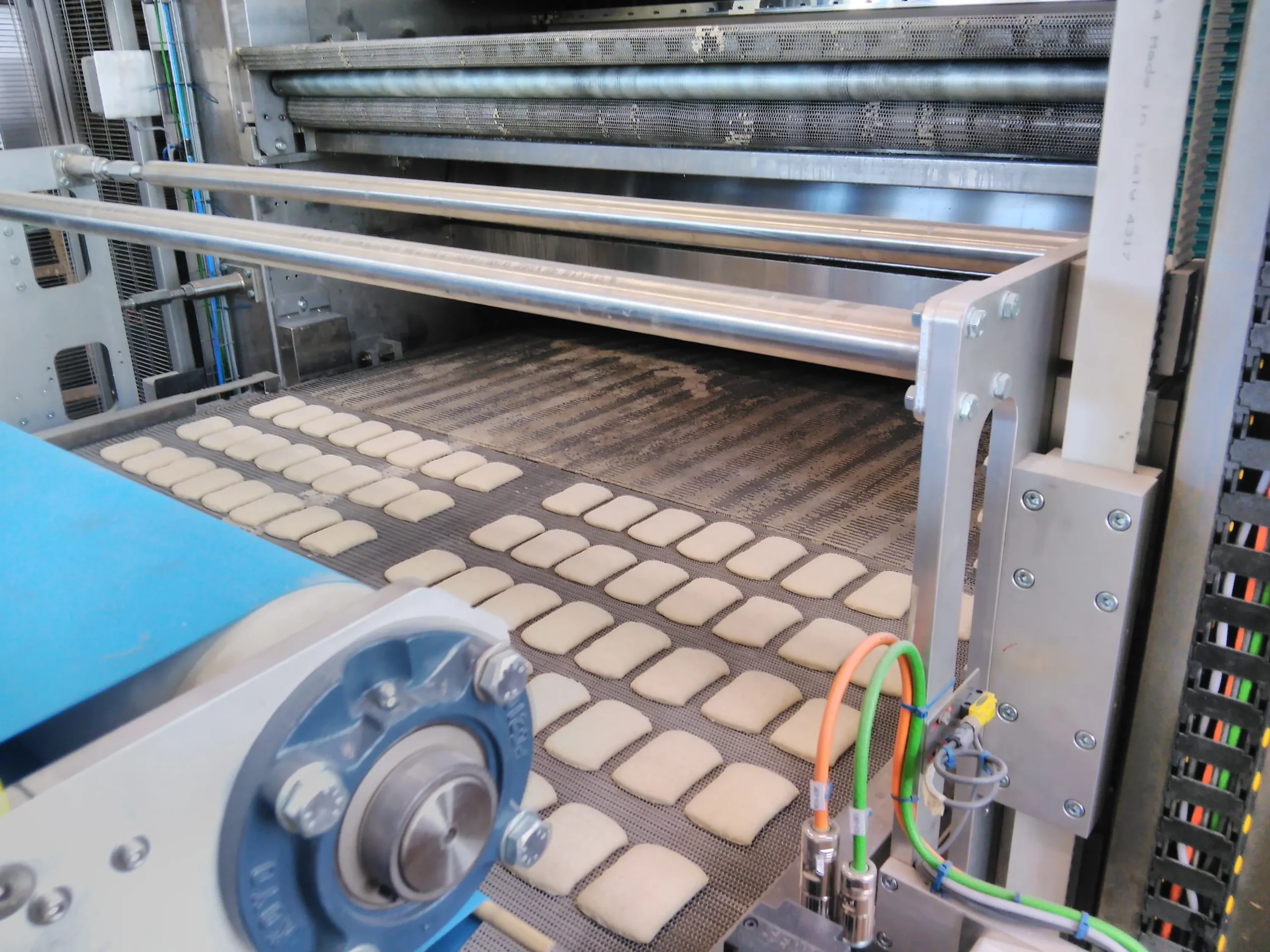
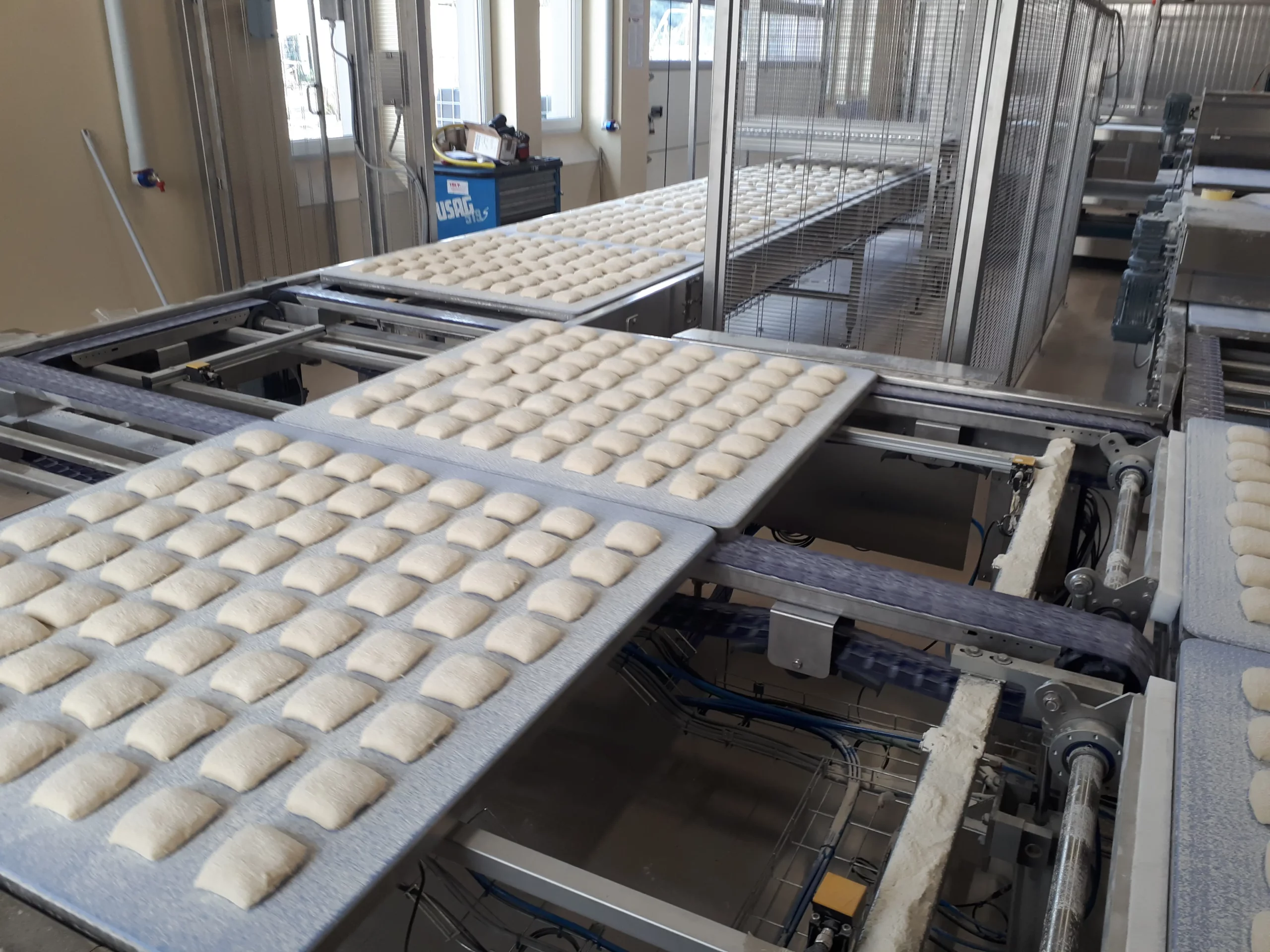
Our clients who use our fermenters are very often the leaders in products made from hydrated doughs (ciabatta type), maturing (pizza type) and fat doughs (classic or French sweet roll). Many of them need to install advanced forming lines in terms of technology and performance for their products. When forming automatically and in a constant flow, it is essential for them to maintain the quality, indeed the artisanal character of their products. Thanks to the industrial laminating and forming lines we offer, we are able to maintain these craft values at a high level of productivity.
The supplier of our lines is characterised by very durable and resistant solutions. Three-shift operation is a standard feature in the proposed machines. At the same time, with the correct configuration created by us, we achieve the individual results using standard components. Our experience in flour fermentation (poolish – biga) allows us to prepare dough that is highly machine-processable with great efficiency, preserving its growth capability during proofing, baking and freezing.
On the market you can find several offers of this type of equipment from many suppliers. Most of them provide their standard without the possibility of adapting it individually to the technology of the dough. In this case, we are autonomous – we offer an entirely individual configuration based on an analysis of the raw materials used, the characteristics of the dough and the final product.
“The foundation of any bakery is the oven.” This is still a view of many bread producers. However, we have to disagree with them. Previously considered a low priority, the proofing room is nowadays a key element in ensuring quality consistency. Once the sourdough or bakery leavens have been properly fermented, the next step is the fermentation (rise) of the dough. To carry it out correctly and reproducibly in a continuous production, we cannot forget the key piece of equipment which is the proofing chamber. The temperature and humidity conditions in it must be always constant (the same), regardless of any external (e.g. draughts) or internal (e.g. stopping the production) factors.
The industrial proofing rooms that we offer are characterised by a unique system developed by the producer for the generation and control of heat and humidity. Their distribution around the chamber is based on the knowledge of physics and is controlled by the automation created on the basis of the User Experience (which does not occur very often).
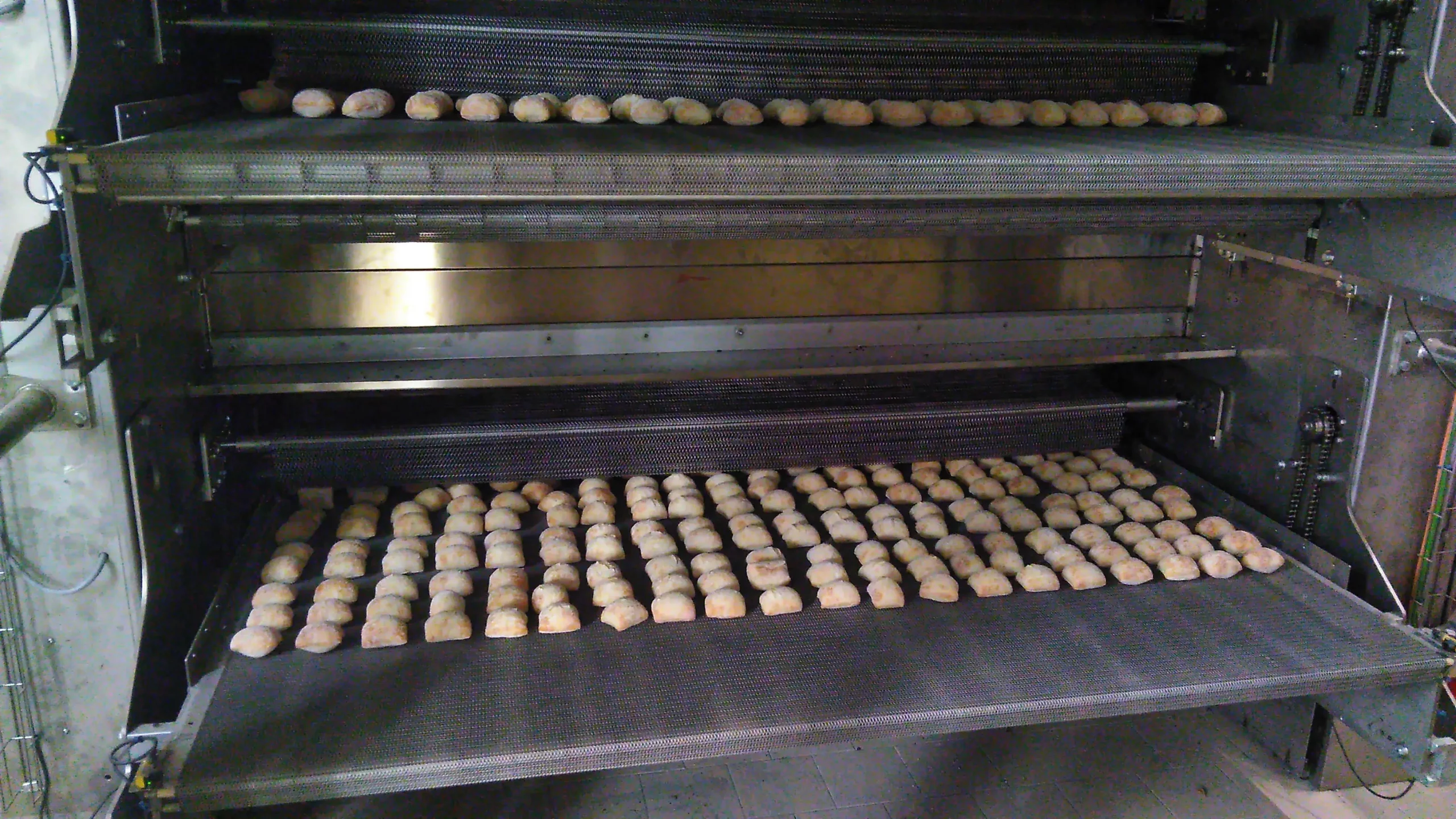
After a correct, reproducible proofing, the product is considerably less prone to anomalies. Nevertheless, the tunnel ovens we provide are characterised by exceptional parameters when it comes to the possibility of adjusting the temperature in the chambers (top and bottom level) – the individual regulation of each heating manifold tube, insulation – elimination of the heat transfer between the chambers (applies to a multi-shelf oven), colouring of the product – the use of turbulences. In combination with the mechanics and control, the proposed solutions are far ahead of the competitors’ alternatives. Last but not least, the offered installations are developed by specialists with great experience in the bakery industry from several European countries such as Italy, Austria and Poland. The only thing missing is a well-known name…
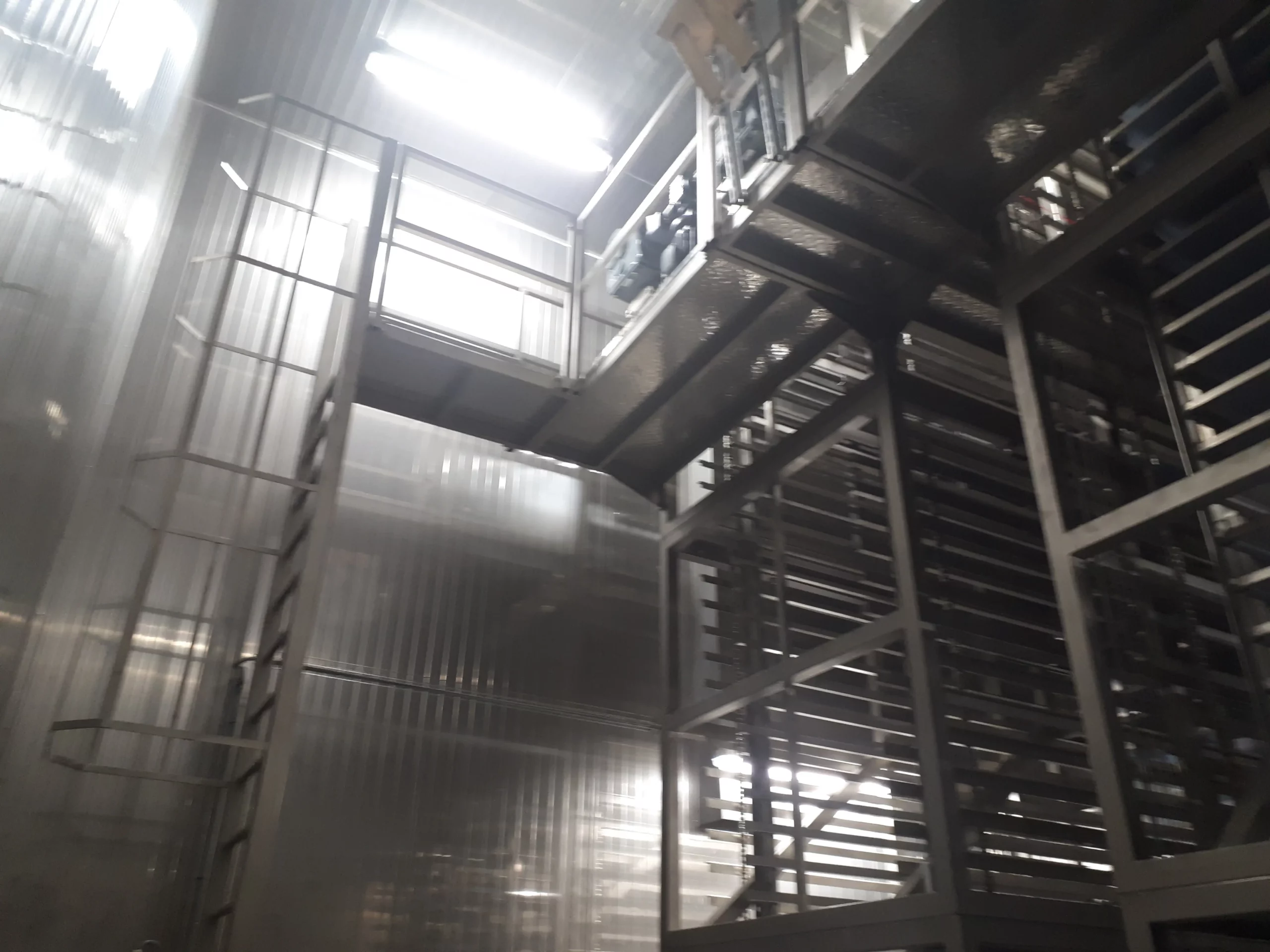
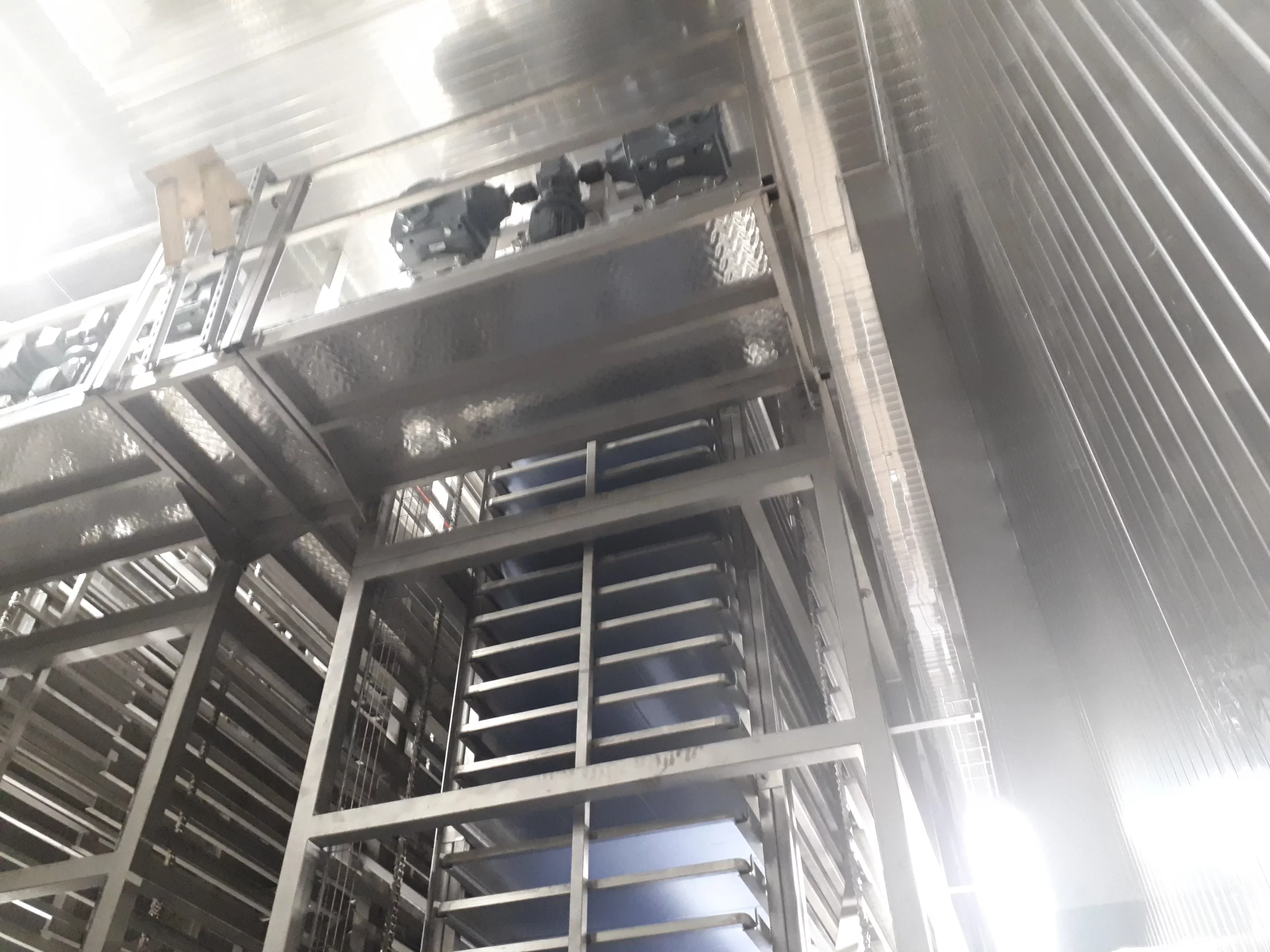
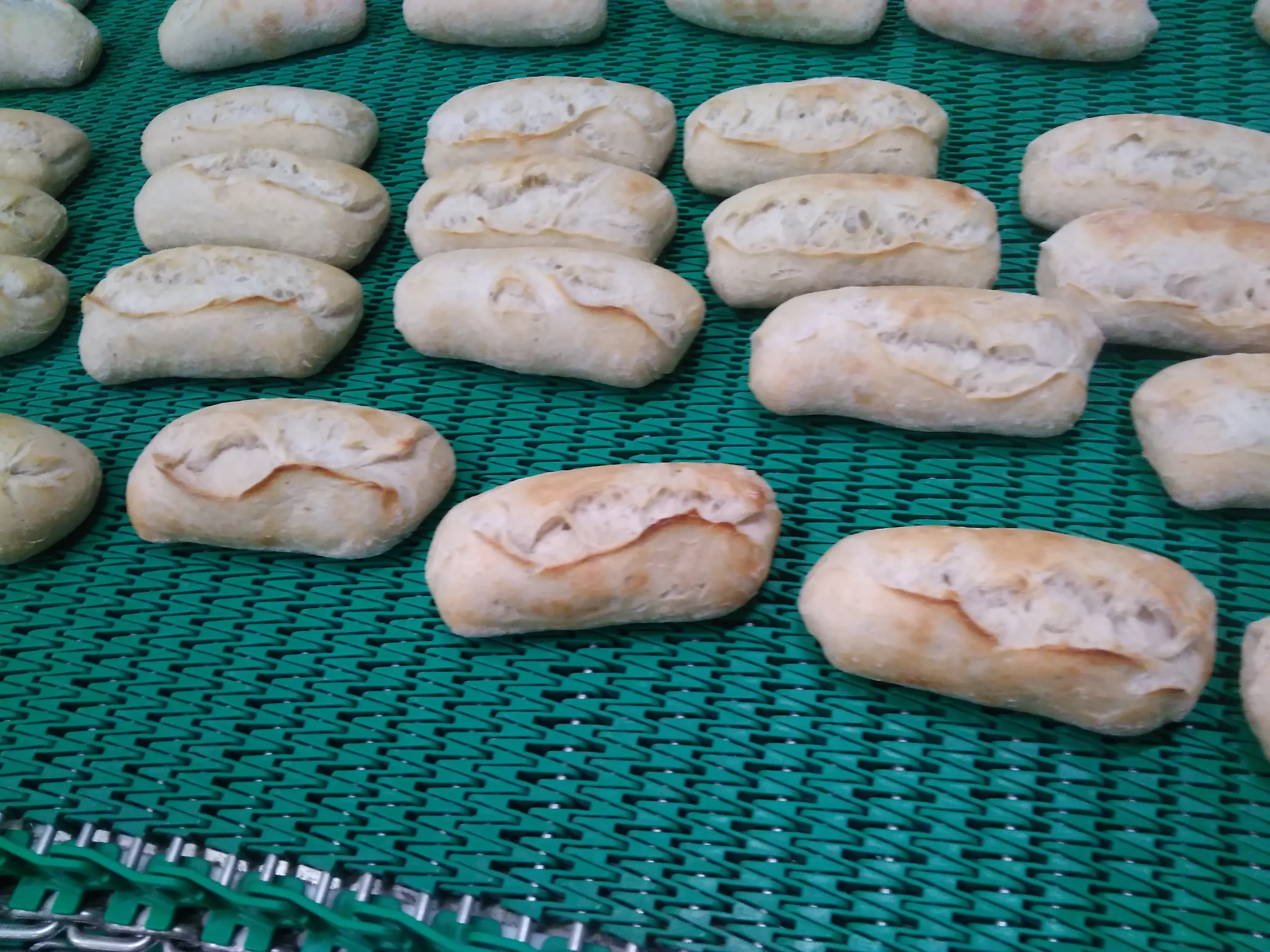
The bakery market practises today require the distribution of packaged and often frozen bread. Many people do not realise that cooling and freezing, in addition to the preceding fermentation and baking, are also a part of the technology of bread making. The correct cooling of the bread allows it to obtain the desired appearance (e.g. a perfect crust), to be sliced, wrapped securely in foil or brought to the optimal parameters for freezing.
Equally important is freezing, which is a key process in keeping the bread in its proper parameters – moisture, size (form) and texture (crumb) for the duration of the distribution or storage. Frozen bread made with natural fermentation products (stable sourdough, poolish, biga, Bruchstück) is a wholesome bread in terms of health and taste. Frozen bread based on raw materials and natural semi-finished products is often significantly less “fuelled” with so-called enhancers and raising agents than so-called artisanal or home baked goods.
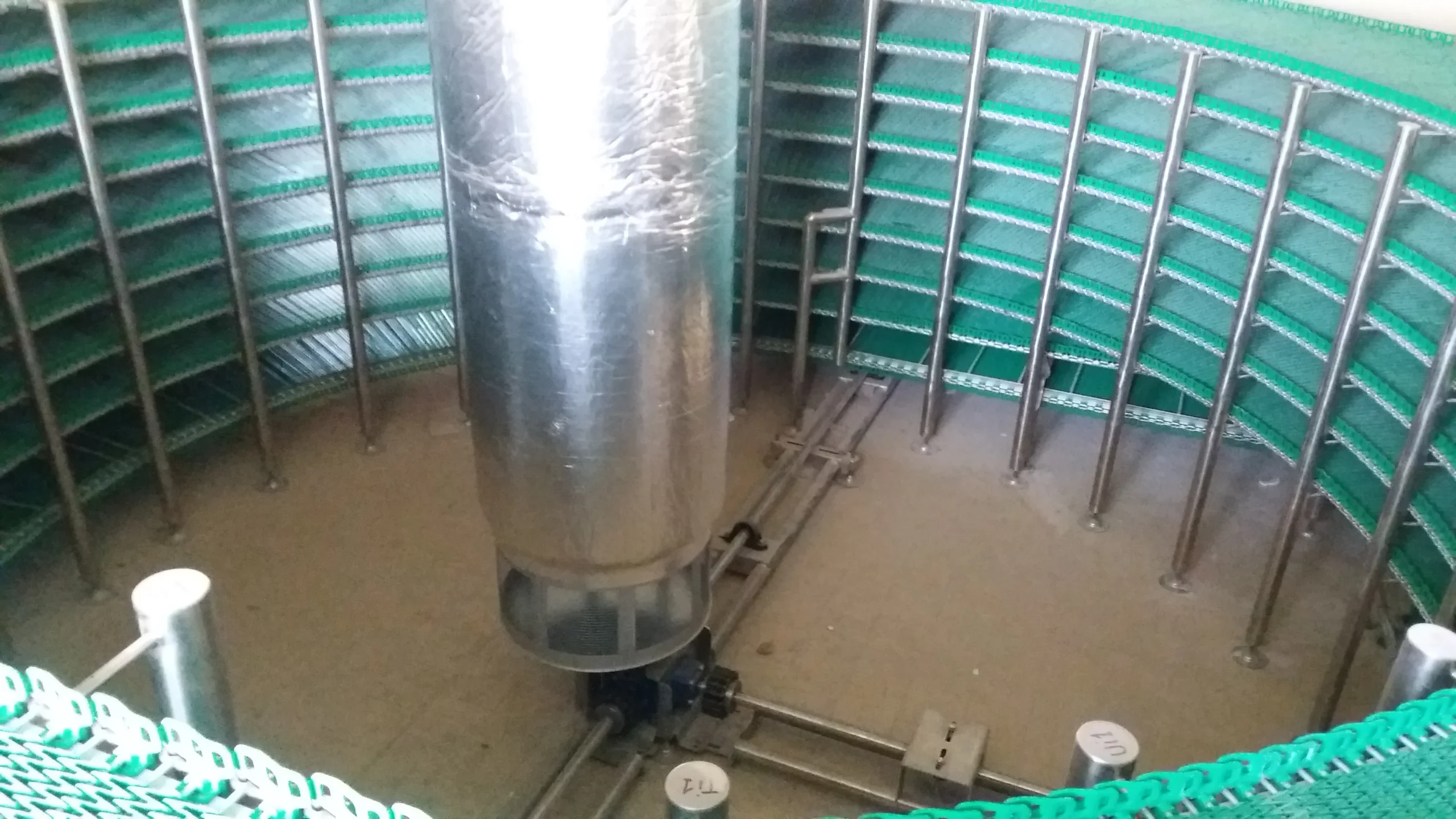
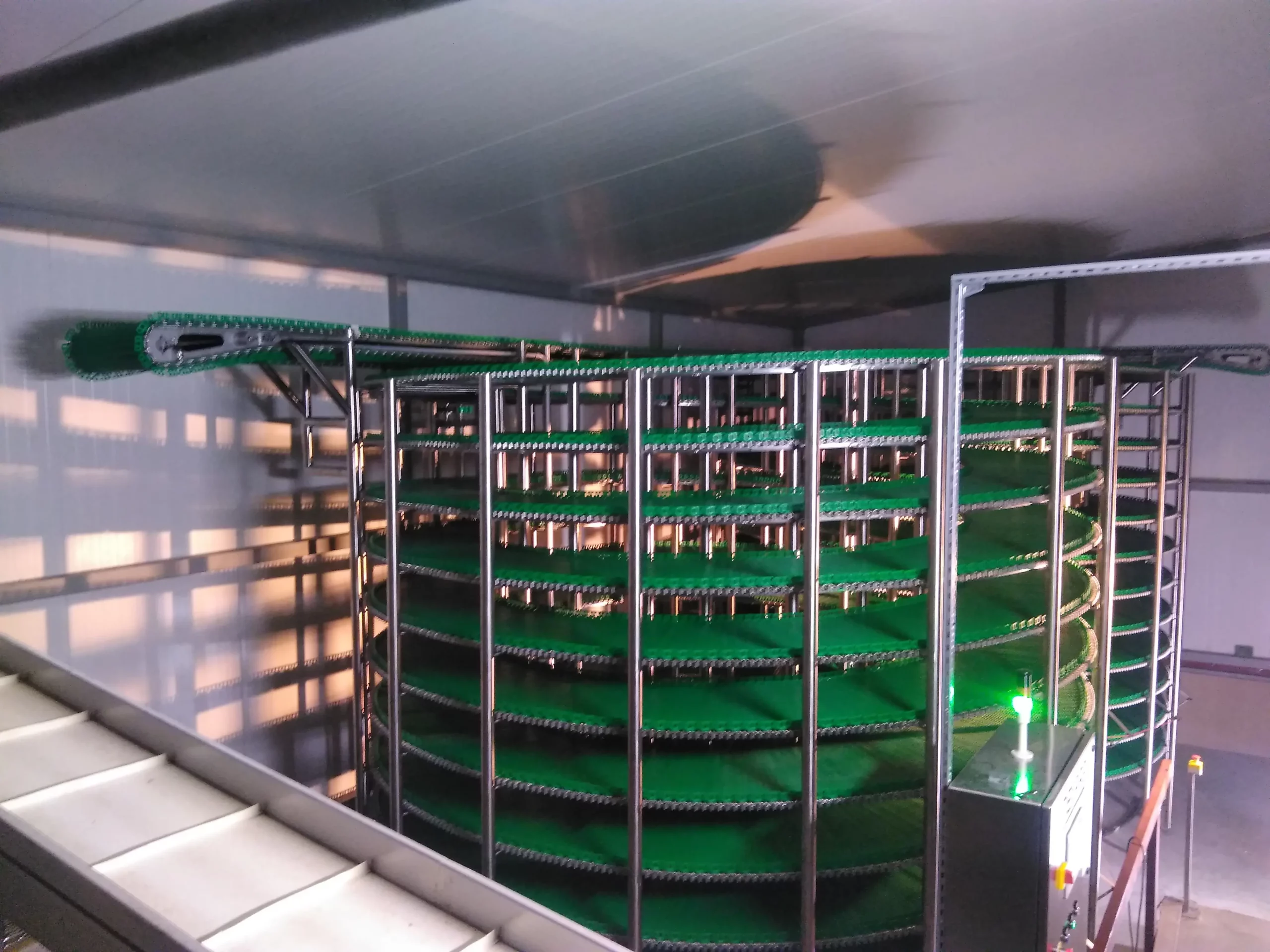
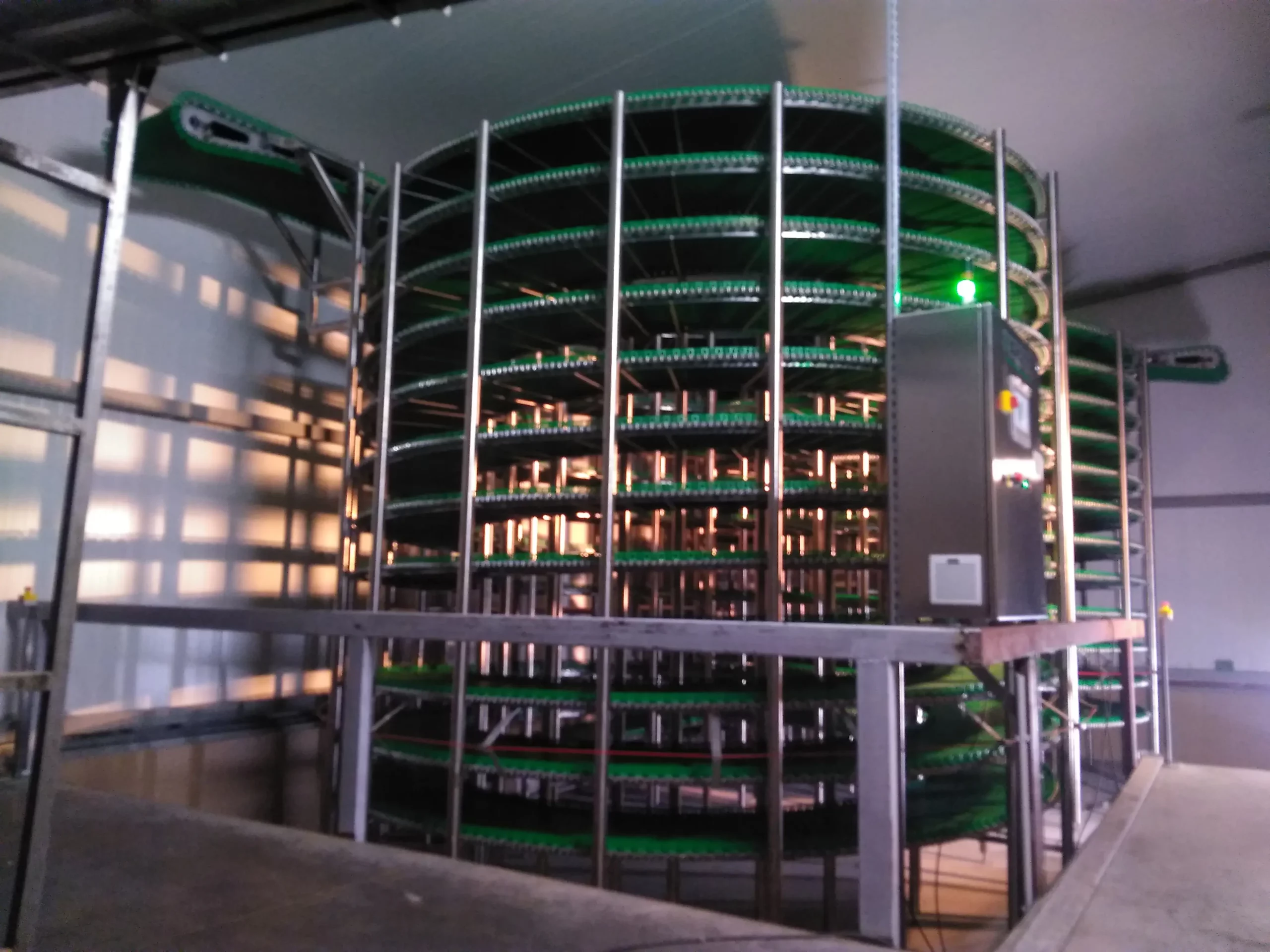
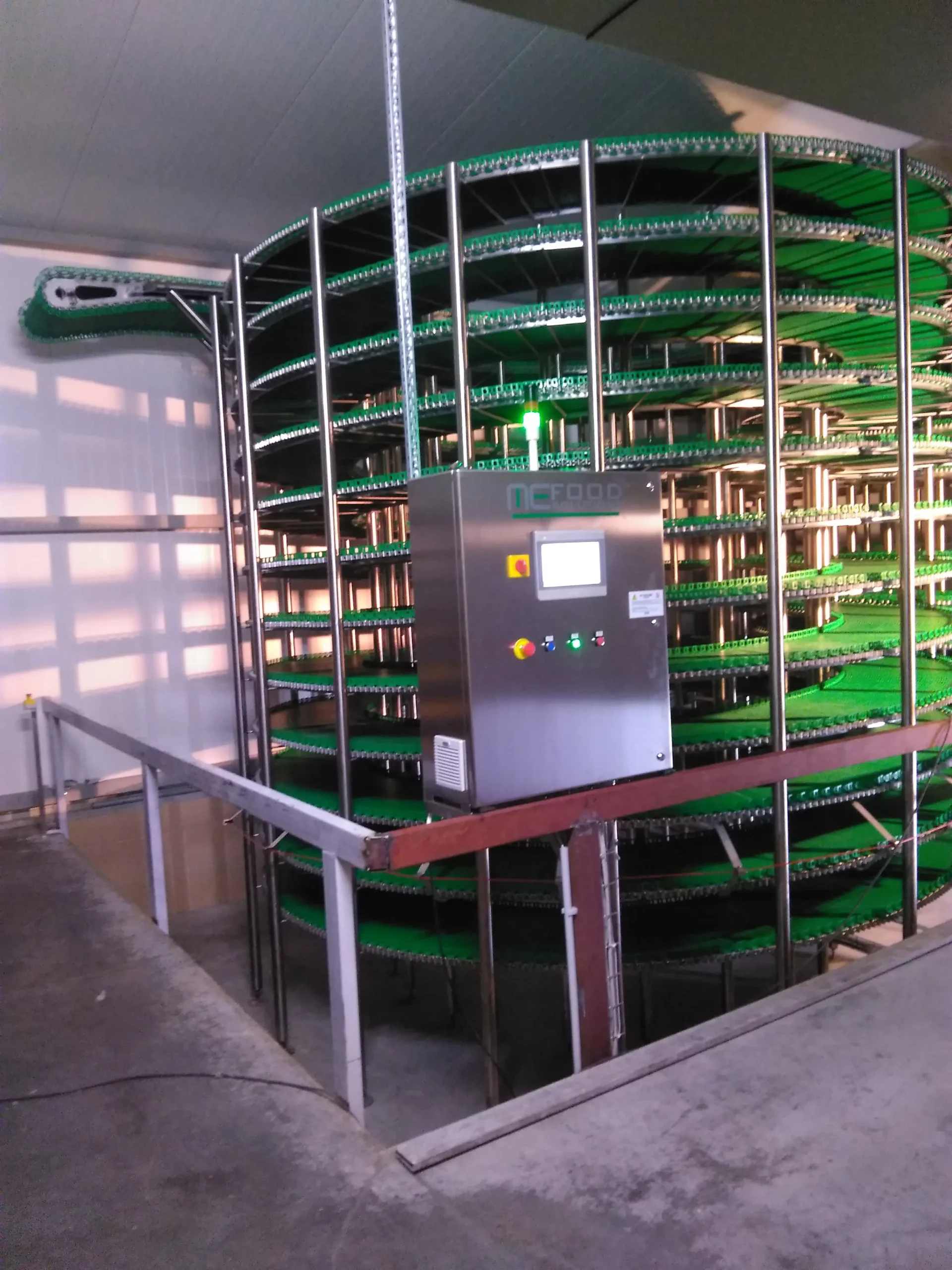
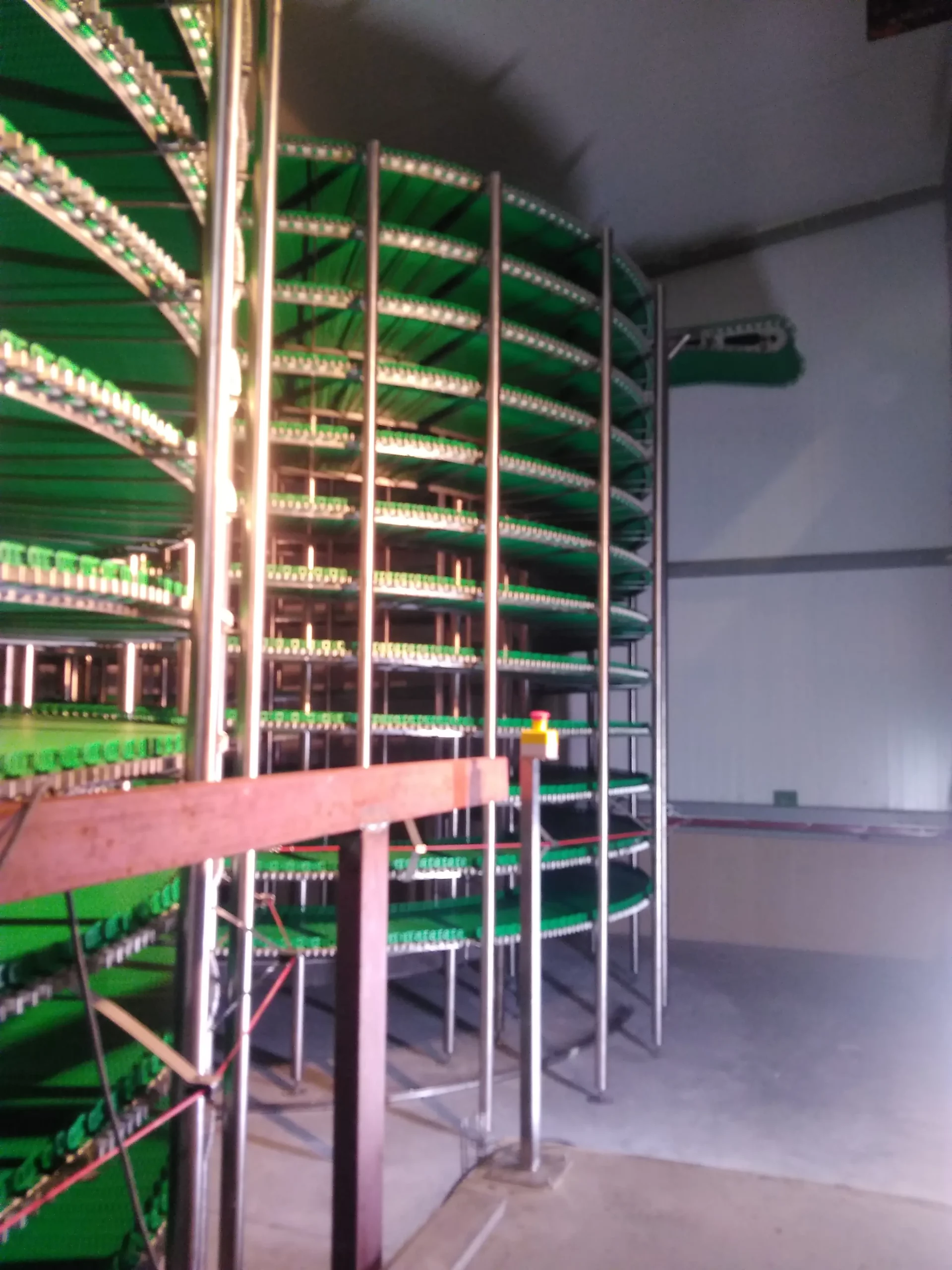
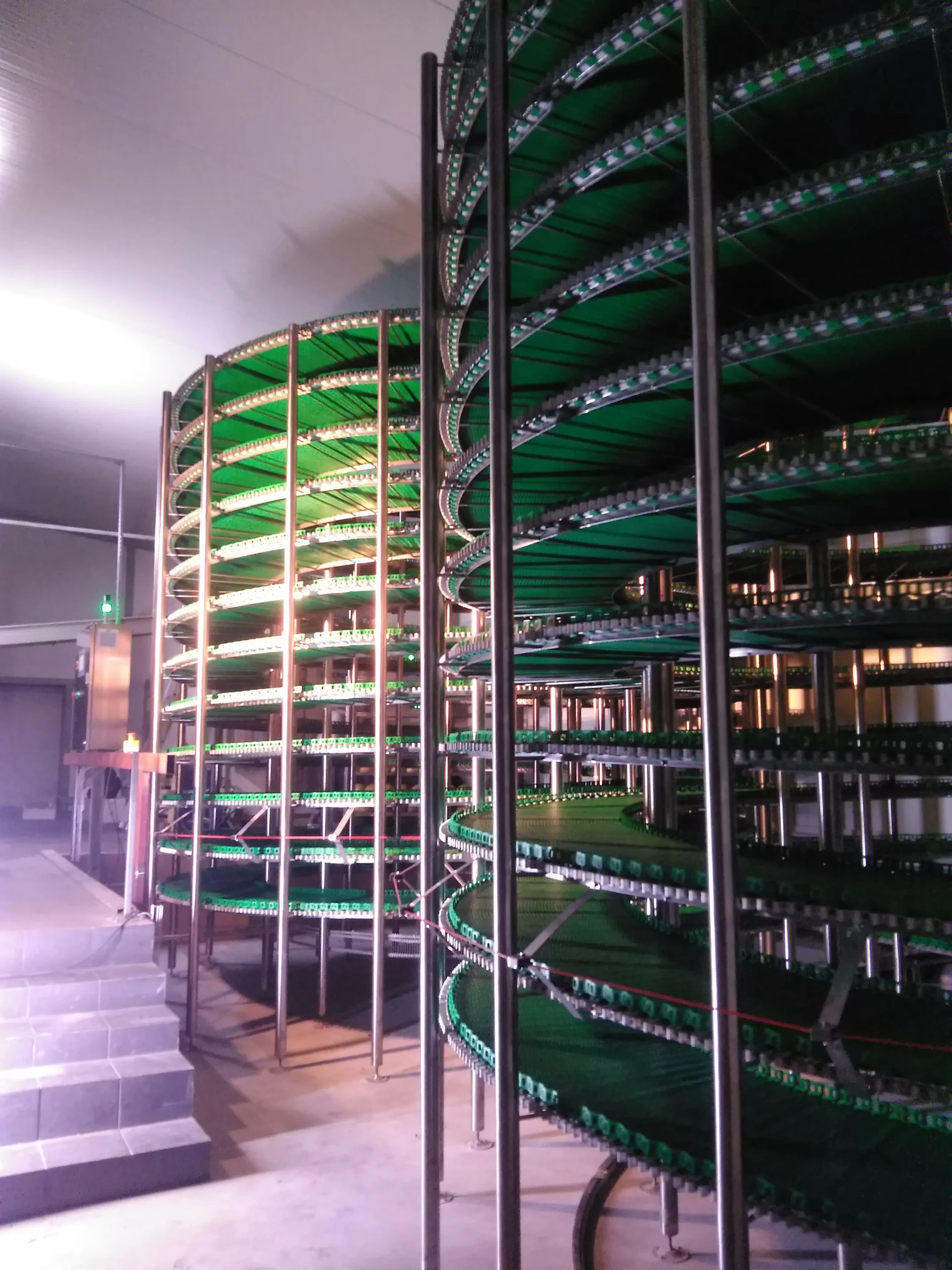
In our case, for the cooling and freezing of the bakery goods, we offer the spiral systems, which can be adapted to the existing facilities or enable you to design solutions that are flexible in terms of the location and height of the reception and dispensing of the product. We know that cooling and freezing processes are part of the technology and not its periphery. When selecting machines, we rely on proven suppliers whose solutions guarantee our clients the possibility of continuous operation, often in three shifts, without stopping the production. We never propose the equipment directly from the price list but we adapt it to the client’s needs in the design phase.

We are here to suport you to succeed by providing the best technological solutions for your business.

 Optimized by Seraphinite Accelerator